Showing posts with label choosing eyeglass frames. Show all posts

Wednesday, 26 February 2014

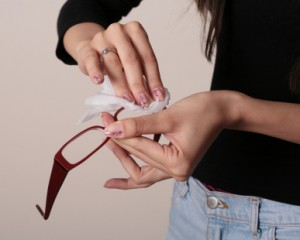
4 Easy Ways To Clean Your EyeGlasses

Clean You EyeglassEye glasses constantly need cleaning if they are not to impair eyesight with greasy fingerprints, dust, spots and other miscellaneous material that seems to be drawn to glasses. Glasses are sold in a case usually with a polishing cloth for a quick polish during the day but from time to time a more thorough clean is recommended.

Almost 50% of Americans wear prescription glasses and most of them are guilty of not knowing how to clean their glasses correctly. Here’s 20/20 Eyeglass Superstore® suggest's Four different ways you can clean your glasses the right way every time:
 
The Cleaner Method
First rinse your glasses to ensure that any particles do not scratch the glasses.
Use an eyeglass spray or cleaner and with a cloth over either side of the glasses, rub over the glass lens and the frame with the cleaner.

The Rinse Method
Rinse the lenses under warm running water. Add a spot or two of mild soap, liquid soap or dish washing liquid to your fingertips and work over the lenses to break up any greasy deposits.
Using circular motions to remove the soap, rinse the glasses under running water.
If the glasses are truly clean there will be very little water left on the lenses. Dry the lenses and frames with a clean soft cloth.

The Dunk Method
Fill a sink with warm soapy water. Dunk the glasses and swish them around. Rinse the glasses under running water. Shake to remove excess water and dry using a soft cloth.

Cleaning Eye Glasses with Vinegar
Try cleaning your glasses with vinegar from time to time. Just rub a couple of spots of vinegar onto each lens and wipe off with a soft cloth.
The acetic acid in the vinegar dissolves grease, oil from your skin and stuck-on dirt, leaving your glasses streak free and shining.

Vinegar does not discolor the lenses like ammonia-based cleaners, it is environmentally friendly and there are no harsh chemical smells and irritants to contend with.

To read the original article click here.
Drop into 20/20 Eyeglass Superstore for all your eye care needs. We have a frame for every face and a price for any budget. We also have Independent Optometrists located on site who will be happy to examine your vision. Walk-in’s are welcome but we ask that you come 15 minutes prior to your desired appointment time.


Friday, 1 November 2013

UV light radiation can damage our eyes

UV light radiation can damage our eyesWe all know the value of guarding against sunburn and skin cancer by slathering on sunscreen, and most of us wear sunglasses in summer to shield our eyes from glare. When it comes to preserving eyesight over the long term, however, many of us have misconceptions about the sun’s dangers. Do you know the facts behind these myths?
  • Myth #1: Sunglasses are not necessary in winter.
    Fact: The damaging effects of UV rays are present during winter as well as summer. Sunglasses with UV protection are necessary whenever you spend time outdoors during daylight hours, all year round.
  • Myth #2: On overcast days, UV rays are not harmful.
    Fact: Just because the sun is not glaring brightly does not mean its UV rays are not affecting the eyes. If there’s daylight, UV rays are present. They penetrate through haze and clouds, and reflect off water, white sand, pavement and snow.
  • Myth #3: Our eyesight deteriorates with age simply because we get older.
    Fact: This is true to some extent, but the fact is that a lifetime of exposure to UV light increases the likelihood of developing macular degeneration, cataracts and other eye conditions. T
  • Myth #4: Adults’ eyes are at a higher risk of sun damage than children’s.
    Fact: Just the opposite is true. Children’s eyes are especially vulnerable to sun damage because they are still developing. Their pupils are larger, allowing in more light, and the lenses of their eyes are more transparent. They also spend more time outdoors than most adults. Brief but intense UV contact may cause corneal sunburn, the most immediate danger to children’s eyes from sun overexposure.
  • Myth #5: Only the sun emits ultraviolet light.
    Fact: Artificial light sources, such as tanning beds and welding machines, also produce UV radiation and require eye protection during use.
Remember: Shades, Hat, Veggies
Here are the best ways to protect your eyes:
  • When spending time outdoors, wear protective eyewear, such as polarized sunglasses, that blocks 99 to 100 percent of UV-A and UV-B rays.
  • Wear a wide-brimmed hat or cap, which will block about half of UV rays.
Children’s eyes are especially vulnerable to sun damage because they are still developing.
  • Remember that UV rays reflect off bright surfaces such as water, snow, white sand and pavement, making it critical—especially for children—to wear sunglasses and hats in the snow or at the beach, swimming pool or playground.
  • Always wear protective goggles when using a tanning bed or welding machine.
  • Eat a healthy diet. There is scientific evidence that a diet rich in brightly colored fruits and vegetables helps reduce the risk of sun damage to your eyes.
Many bright summer days are ahead. Enjoy outdoor activities safely by protecting your eyes—and those of your children—from the sun!

To read the original article click here

Our eye care tips will help you prepare your eyes for the warmer season. Keep your eye drops in the fridge, preparing for allergies, and visiting your optometrist for an eye examination.
If you’re on the market for new sunglasses, eyeglasses or contact lenses this Spring, check out our deals page for discounts and sales.

Monday, 26 August 2013

Maintain Healthy Eyes With These Four Vitamins

August is children  Eye Exam Month, so Eyeglass Superstore shares 4 vitamins to help support eye health. 


The old adage to eat carrots for good eyesight may not be too far off from the truth. Studies have shown a connection between the intake of certain vitamins and a decrease in age-related macular degeneration, cataracts and other eye related problems. Since August is children Eye Exam Month, Eyeglass decided to share some of the most important vitamins for supporting and maintaining healthy eyes and vision.

Vitamin C - According to the website AllAboutVision.com, "Studies suggest long-term consumption of vitamin C also may reduce the risk of forming a cataract and vision loss from macular degeneration."

Vitamin D – Researchers from the University College London's Institute of Ophthalmology tested the effects of Vitamin D3 on the vision and eye health of mice over a 6 week period. The study found that the mice "had significant reductions in retinal macrophage numbers and marked shifts in their morphology. These changes were reflected in a significant improvement in visual function, revealing that vitamin D3 is a route to avoiding the pace of age-related visual decline."

Lutein – A study published in The American Journal of Epidemiology looked at the relationship between lutein intake and the development of ARM. The study found that "there is evidence to suggest that dietary intake of lutein and its structural isomer, zeaxanthin, could reduce the risk for ARM."

Vitamin E - In the Age-Related Eye Disease Study (AREDS) researchers found a 25 percent lower risk of developing advanced stages of AMD when a nutritional formula including vitamin E was taken. The AREDS supplement included 400 International Units (IU) of vitamin E.

To read The orignal article click here.

ABOUT 2020 Eyeglass Superstore

20/20 Eyeglass Superstore is Central Florida’s premier eyecare provider with three locations in Winter Park, Melbourne, and Orange City.  We are proud to feature thousands of frame styles, lenses from the leading manufacturers, and sunglasses from the brands you love and trust.

Every family owned 20/20 Eyeglass Superstore location features its own independent doctor of optometry as well as an in-house lab to ensure you receive your new customized glasses in as little as one hour.  Our technicians maintain the highest standards of technical skills with the latest in eyecare technology.

Tuesday, 30 July 2013

Keep Your Eyes Healthy In A Digital World

Eyes Health
20/20 Eyeglass Superstore is a family owned and operated business with locations throughout central Florida.  We look forward to becoming your trusted source for everything related to eye care, glasses and contacts.  Should you have any questions or comments, please feel free to contact us anytime.

Melbourne 20/20 Eyeglass Superstore
785 N. Wickham Rd. Suite 106
Melbourne, FL 32935
321-259-3935

Thursday, 9 May 2013

Eye Health and Vision Basics


Maintaining  good eye health and vision, it is important to see an eye health care provider at least once every couple of years as an adult, or immediately if you have any degree of sudden vision loss, eye pain, or irritation. Most eye diseases can be found during a routine eye exam and treated when found in an early stage. If you have health problems such as diabetes, you may need to visit your eye doctor more frequently to detect any complications.

Some other reasons for having eyes examined annually are:
  1. Myopia: short-sightedness, or the inability to see things at a distance
  2. Hyperopia: far-sightedness, or the inability to see things at close distances
  3. Eyeglass prescription changes occur every 1 to 2 years
  4. Presbyopia: the inability to see things at near after the age of 40 years
  5. Contact lens wearers are at greater risk of eye infections and corneal ulcers
  6. It is important that your vision meets certain legal standards for driving and certain occupations.

What Does It Mean to Have 20/20 Vision?

20/20 vision is your visual acuity, or the sharpness of vision at 20 feet from an object. Having 20/60 vision means that you must be at 20 feet to see what a person with normal vision can see at 60 feet. 20/20 does not translate into perfect vision and does not indicate other important aspects of sight such as peripheral vision, the ability to see colors, or depth perception.

What Does Visual Acuity Mean?

Visual acuity is a measure of your central vision, the ability to distinguish details and shapes of objects.

What Tests Are Used to Determine Visual Acuity?

Visual acuity tests simply consist of reading an eye chart. There are even simple tests, like the "Random E Test," that can be used to determine the visual acuity of infants or non-readers.


Options available to Correct Impaired Vision

There are many safe and affordable choices available for those in need of vision correction. They include:

  • Contact Lenses: Contacts are more suitable for people with an active lifestyle. They work the same way as eyeglasses, but stay in place better during physical activities. Being outdoors also means being in the sun and contacts allow you to wear sunglasses at the same time. There are many different brands, colors, and materials, so it is best to shop around to find the contacts that work best for you.

  • Corrective Surgery: Vision correction surgery improves sight by changing the refractive or light bending, properties of the eye. Refractive surgery is not cosmetic, but is functional because it restores a person's ability to see at a moderate visual acuity, meaning a person may still need to wear glasses or contacts.
Read the Original article published on webmd.com

20/20 Eyeglass Superstore Orlando – Winter Park has thousands of eyeglass frames to choose from, and with its own resident optometrist and in house lab, you can be in and out with your new customized glasses in as little as one hour. Family owned and operated, it’s a one stop shop for all your eye care needs. At 20/20 Eyeglass Superstore Orlando – Winter Park, rest assured that you will find a frame for every face and a price for every budget.

Friday, 3 May 2013

Tips for Making Halloween Safe

Halloween should be a fun time that your child remembers for years to come. Every year, there are several hundred eye injuries related to costumes and masks treated in U.S. hospital emergency rooms. There are many things you can do to ensure your child enjoys a safe Halloween and prevent a night of treats from turning into a night of tragedy.

Costumes and Safety

  • Avoid costumes with masks, wigs, floppy hats or eye patches that block vision.
  • Tie hats and scarves securely so they don’t slip over children’s eyes.
  • Avoid costumes that drag on the ground to prevent tripping or falling.
  • Avoid pointed props such as spears, swords or wands that may harm other children’s eyes.
  • Wear bright, reflective clothing or decorate costumes and bags with reflective tape/patches.
  • Carry a bright flashlight to improve visibility.
  • Do not ride a bike/scooter/skateboard or roller blade while wearing a costume.
  • Obey all traffic signals—pedestrian and driver.
  • Younger children should go with an adult while trick-or-treating around the neighborhood. Older children should trick-or-treat in groups.
  • Use common sense. Never dart out between parked cars or hidden corners such as alleys. Avoid streets under construction.
  • Don’t trick or-treat in busy commercial areas or where there is heavy traffic.
  • Go trick-or-treating in daylight, as it is safer than going after dark.
  • A safer option is to go to a Halloween party instead of trick-or-treating.

Cosmetics and Contacts Lenses

  • Wear hypoallergenic makeup. Have an adult apply the makeup and remove it with cold cream instead of soap. Use makeup in place of masks.
  • Cosmetic contacts that make your eyes look like cat’s eyes may seem like fun, especially at Halloween. However, these lenses come with the same risks as regular contact lenses. This growing fad may seem harmless, but it is not!
  • Improper use of cosmetic lenses can lead to serious eye complications. These problems include bacterial infections, swelling, eye pain, sensitivity to light, conjunctivitis (pink eye), corneal scratches, corneal ulceration and even permanent loss of sight.
  • Never buy cosmetic contacts without a prescription! Never share your cosmetic contacts with others or use someone else’s contacts.
  • Since this fad is popular among teens, be vigilant about older kids’ appearance before letting them leave the house. If they are wearing these contacts, ask where they got them.

Treats

  • Inspect all trick-or-treat items for signs of tampering before allowing children to eat them.
  • Carefully inspect any toys or novelty items received by kids age 3 and younger. These may pose a choking hazard. Avoid giving young kids lollipops as the sticks can cause eye injuries.

Decorations

  • Be sure your lawn, steps, porch and front door are well lit and free from obstacles.
  • Keep candles and jack-o’-lanterns away from steps and porches outside, as costumes could brush against them and ignite. Inside, keep them away from curtains and other decorations to avoid causing a fire.
Read the original article published on preventblindness.org

Decorative contact lenses can be a fun part of your halloween costume this year, but before you go out and buy a pair you should understand the danger and safety precautions you should take to avoid vision problems and blindness.

To know more about Halloween, including details on who should NOT use decorative contact lenses. Drop in any of our 20/20 Eyeglass Superstore. We will look forward seeing you!


Wednesday, 24 April 2013

Four Ways to Beat Spring Allergies


The blooming season has begun, and your allergies have started to blossom too. You dread the idea of months of suffering; the sneezing, watery and itchy eyes, and general misery that comes with spring. How can you make this allergy season more tolerable? 

20/20 Eyeglass Superstore is a family owned and operated business with locations in Orlando, Melbourne and Orange City. This spring, the folks at 20/20 Eyeglass Superstore are sharing tips on how to keep your eyes healthy.  

1. Plan ahead
The best tactic in the war against allergy season is to plan ahead. If you need allergy medication, start taking it slightly before the season begins for the most effective treatment. This helps your body prevent the inflammatory response from typical allergens in the first place. Once your body starts to react, it can be hard, if not impossible, to get the inflammation under control.

2. Cleanliness
Washing your face after you’ve been outside, and showering before bedtime will rinse away pollen and dust on your skin and hair. Keep dogs and cats bathed and as clean as possible to prevent them from bringing allergens into your home. While impractical to bathe them daily, try a special allergy solution that is wiped on the animal, minimizing the effects of their dander. Consult your eye care or allergy professional for more details on these products. Vacuum carpets well and wipe down surfaces regularly to minimize the amount of pollutants inside your home.

3. Natural Help
Rather than using chemicals and medications, you can opt for homeopathic cures. Herbs and foods that naturally fight inflammation, saline as part of your eye care routine or in a method called nasal irrigation, and even acupuncture have been shown to help allergy sufferers immensely without the potentially dangerous side effects of allergy medications.

4. Using your HVAC
During allergy season (and really, any other time of year), it is critical to replace your HVAC system filter monthly. Be sure to purchase a filter designed to remove most allergens, and set a reminder that will let you know it’s time for replacement. Air filters cannot effectively remove pollutants if they are clogged and dirty. Keep your windows closed and use your cooling system rather than allow wind to blow dust and pollen into your house.

Rather than being in misery this spring, there are plenty of ways you can reduce the severity of your suffering. Talk to your eye care professional before the season begins to ensure that you are comfortable even though the world is in bloom.

Read the original article published on Pikespeakeyecare.com

For more information on how to keep your eyes healthy this spring, visit your local 20/20 Eyeglass Superstore or make an appointment with our in-house independent optometrist. We look forward to seeing you soon.

Tuesday, 23 April 2013

April is Women's Eye Health and Safety Month


Did you know that worldwide, two-thirds of people affected by vision loss are women?
This is likely because women live longer than men and, therefore, are more susceptible to age-related eye disease.

At 90 and older, there are five times as many women living as men. Recent studies have shown that more women than men suffer from age-related macular degeneration, cataracts, glaucoma and diabetic retinopathy, the four leading eye diseases in the United States. Women are also at higher risk to develop sight-threatening autoimmune diseases such as multiple sclerosis, lupus and rheumatoid arthritis.

Following things you can do to help maintain good vision:

• Monitor your vision: Check it often, and check it one eye at a time. If you notice a change in your vision, please notify your eye doctor right away.

• Do not smoke: Smoking significantly increases the risk of complications with certain eye diseases, especially in women.

• Eat a well-balanced diet: Eat leafy green vegetables, oily fish, and fruits. Vitamin C, vitamin E, beta carotene, lutein, zeaxanthin, zinc and omega-3 fatty acids are helpful in slowing down the progression of many eye diseases. If you choose to take vitamin supplements, please make sure to consult your doctor.

• Exercise: This will aid in maintaining a healthy weight and good cardiovascular health. Obesity, high blood pressure and high cholesterol can lead to specific vision complications.

• Control your diabetes: If you have it-Uncontrolled diabetes can cause permanent damage to eye structures.

• Wear sunglasses with UV protection: This can slow down the progression rate of cataracts.

• Educate yourself: About the possibility of a family history of eye disease and about eye diseases associated with your general health issues.

• See your medical doctor regularly: Routine physicals can lead to early diagnosis of potentially sight threatening diseases.

To read the original article published on news-press.com written by Dr Tom Ghuman, click here
As april is considered women eye health and safety month, stop in at any 20/20 Eyeglass Superstore location for eye exam and get additional 10% off. We look forward to seeing you soon!

Melbourne
20/20 Eyeglass Superstore
785 N. Wickham Rd. Suite
106 Melbourne, FL 32935
321-259-3935

Orange City
20/20 Eyeglass Superstore
 1270 Saxon Blvd,
Orange City, FL. 32763
386-774-5000

Winter Park/Orlando
20/20 Eyeglass Superstore Inc
1555 Semoran Blvd.
Winter Park , FL , 32792
407 767 5600
