Showing posts with label eye contact lenses. Show all posts

Monday, 11 November 2013

Nearsightedness

nearsightednessNearsightedness -- or myopia -- affects a significant number of people. But this eye disorder is easily corrected with eyeglasses, contact lenses, or surgery.
People with myopia or nearsightedness have difficulty seeing distant objects, but can clearly see objects that are near. For example, a person who is nearsighted may not be able to make out highway signs until they are just a few feet away.

What Causes Nearsightedness?
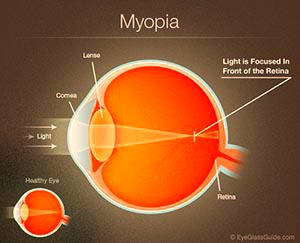
People who are nearsighted have what is called a refractive error. In nearsighted people, the eyeball is too long or the cornea has too much curvature, so the light entering the eye is not focused correctly. Images focus in front of the retina, the light-sensitive part of the eye, rather than directly on the retina, causing blurred vision.
Nearsightedness runs in families and usually appears in childhood. Usually the condition plateaus, but it can worsen with age.

What Are the Symptoms of Nearsightedness?
People who are nearsighted often complain of headaches, eyestrain, squinting, or fatigue when driving, playing sports, or looking more than a few feet away. Children commonly complain of not being able to see the board at school.

 How Is Nearsightedness Diagnosed?
Nearsightedness can be easily diagnosed using standard eye exams given by an eye doctor.
How Is Nearsightedness Treated?

Glasses, contact lenses, or refractive surgery can correct nearsightedness. With myopia, your prescription for glasses or contact lenses is a negative number, such as -3.00. The higher the number, the stronger your lenses will be. The prescription helps the eye focus light on the retina, clearing up the vision.

Read the original article on webmd.com

The only way to correct nearsightedness is to wear corrective glasses, contact lenses are surgery. It’s important to book an eye exam for your child if you’re worried as nearsightedness is linked to serious eye diseases such as glaucoma, macular degeneration and retina detachment.

Drop into 20/20 Eyeglass Superstore for all your eye care needs. We have a frame for every face and a price for any budget. We also have Independent Optometrists located on site who will be happy to examine your vision. Walk-in’s are welcome but we ask that you come 15 minutes prior to your desired appointment time.

Monday, 4 November 2013

Computer Vision Syndrome

Do you suffer from regular headaches and wonder what the cause is? You should visit your optometrist! A large percentage of headaches are caused by visual problems and most general practitioners will recommend you get your eyes tested to see if that is the problem.

Routine eye exams also can also detect other underlying conditions.  Your optometrist will perform several tests during your eye exam that test and check your vision.  These tests are completely painless.  Some procedures are a bit uncomfortable but they aren’t hard to deal with.  A proper eye exam will take approximately one hour.
 
Computer Vision Problem
Visit your optometrist? Even if you don’t wear glasses and your eyes are feeling fine, we’re here to share several reasons why you should get your eyes tested on a regular basis.
Visiting your local optometrist allows doctors to look directly at your blood vessels which can reveal early warning signs of serious health problems such as hypertension, cardiovascular disease and diabetes before the symptoms show up anywhere else in the body.

If you haven’t had an eye exam in the last year, make sure you drop into one of our convenient locations to make an appointment or you can contact us online.  We look forward to seeing you soon!
Orange City 20/20 Eyeglass Superstore
1270 Saxon Blvd,
Orange City, FL 32763
Tel: 386-774-5000

Friday, 1 November 2013

UV light radiation can damage our eyes

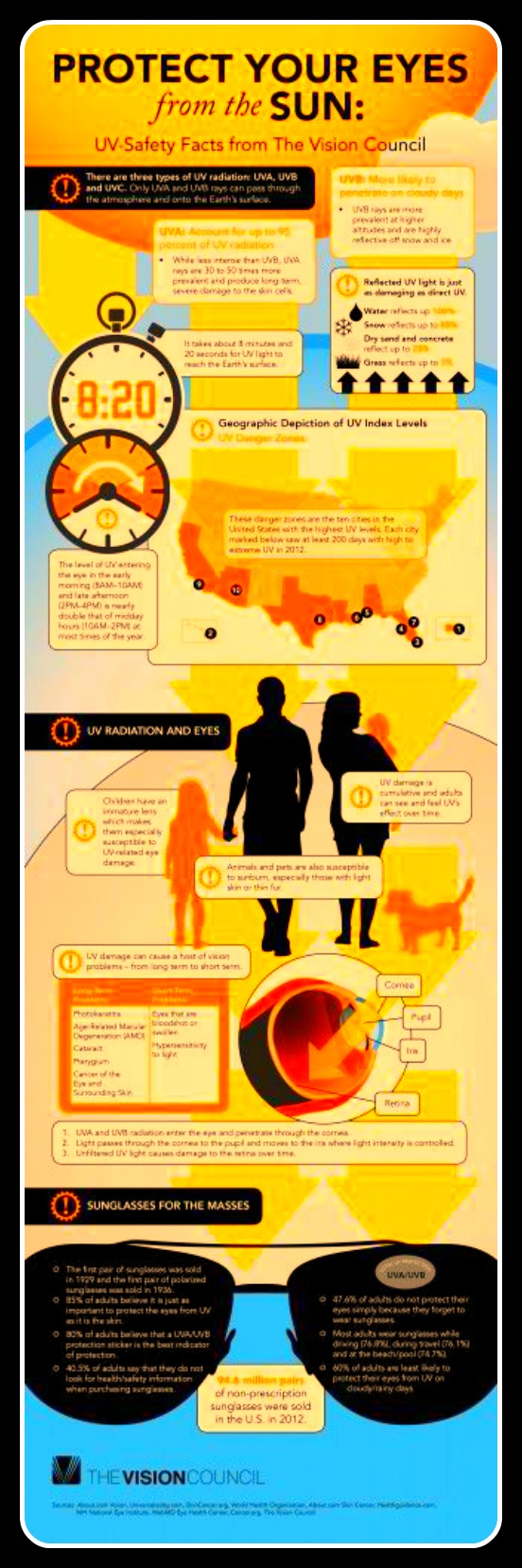
UV light radiation can damage our eyesWe all know the value of guarding against sunburn and skin cancer by slathering on sunscreen, and most of us wear sunglasses in summer to shield our eyes from glare. When it comes to preserving eyesight over the long term, however, many of us have misconceptions about the sun’s dangers. Do you know the facts behind these myths?
  • Myth #1: Sunglasses are not necessary in winter.
    Fact: The damaging effects of UV rays are present during winter as well as summer. Sunglasses with UV protection are necessary whenever you spend time outdoors during daylight hours, all year round.
  • Myth #2: On overcast days, UV rays are not harmful.
    Fact: Just because the sun is not glaring brightly does not mean its UV rays are not affecting the eyes. If there’s daylight, UV rays are present. They penetrate through haze and clouds, and reflect off water, white sand, pavement and snow.
  • Myth #3: Our eyesight deteriorates with age simply because we get older.
    Fact: This is true to some extent, but the fact is that a lifetime of exposure to UV light increases the likelihood of developing macular degeneration, cataracts and other eye conditions. T
  • Myth #4: Adults’ eyes are at a higher risk of sun damage than children’s.
    Fact: Just the opposite is true. Children’s eyes are especially vulnerable to sun damage because they are still developing. Their pupils are larger, allowing in more light, and the lenses of their eyes are more transparent. They also spend more time outdoors than most adults. Brief but intense UV contact may cause corneal sunburn, the most immediate danger to children’s eyes from sun overexposure.
  • Myth #5: Only the sun emits ultraviolet light.
    Fact: Artificial light sources, such as tanning beds and welding machines, also produce UV radiation and require eye protection during use.
Remember: Shades, Hat, Veggies
Here are the best ways to protect your eyes:
  • When spending time outdoors, wear protective eyewear, such as polarized sunglasses, that blocks 99 to 100 percent of UV-A and UV-B rays.
  • Wear a wide-brimmed hat or cap, which will block about half of UV rays.
Children’s eyes are especially vulnerable to sun damage because they are still developing.
  • Remember that UV rays reflect off bright surfaces such as water, snow, white sand and pavement, making it critical—especially for children—to wear sunglasses and hats in the snow or at the beach, swimming pool or playground.
  • Always wear protective goggles when using a tanning bed or welding machine.
  • Eat a healthy diet. There is scientific evidence that a diet rich in brightly colored fruits and vegetables helps reduce the risk of sun damage to your eyes.
Many bright summer days are ahead. Enjoy outdoor activities safely by protecting your eyes—and those of your children—from the sun!

To read the original article click here

Our eye care tips will help you prepare your eyes for the warmer season. Keep your eye drops in the fridge, preparing for allergies, and visiting your optometrist for an eye examination.
If you’re on the market for new sunglasses, eyeglasses or contact lenses this Spring, check out our deals page for discounts and sales.

Tuesday, 22 October 2013

Protect Your Eyes From The Sun

Protect your eye from the sun
Your vision is priceless and it is important that you maintain your visual wellness by scheduling a yearly comprehensive eye exam with your optometrist or ophthalmologist. Drop into 20/20 Eyeglass Superstore for all your eye care needs. We have a frame for every face and a price for any budget. We also have Independent Optometrists located on site who will be happy to examine your child’s vision. Walk-in’s are welcome but we ask that you come 15 minutes prior to your desired appointment time.

Wednesday, 31 July 2013

Nutrition For Healthy Eyes

Nutrition for your Eyes
20/20 Eyeglass Superstore Orlando – Winter Park has thousands of eyeglass frames to choose from, and with its own resident optometrist and in house lab, you can be in and out with your new customized glasses in as little as one hour. Family owned and operated, it’s a one stop shop for all your eye care needs. At 20/20 Eyeglass Superstore Orlando – Winter Park, rest assured that you will find a frame for every face and a price for every budget.

Monday, 20 May 2013

Color Blindness


Color blindness means that you have trouble seeing red, green, or blue or a mix of these colors. It’s rare that a person sees no color at all.
Color blindness is also called a color vision problem.

A color vision problem can change your life. It makes it harder to learn and read, and you may not be able to have certain careers. But children and adults with color vision problems can learn to make up for their problems seeing color.

What causes color blindness?

Most color vision problems are inherited (genetic) and are present at birth.
A color vision problem isn't always inherited. In some cases, a person can have an acquired color vision problem. This can be caused by:
  • Aging.
  • Eye problems, such as glaucoma, macular degeneration, cataracts, or diabetic retinopathy.
  • Injury to the eye.
  • Side effects of some medicines.

What are the symptoms?

The symptoms of color vision problems vary:
  • You may be able to see some colors but not others. For instance, you may not be able to tell the difference between red and green but can see blue and yellow.
  • You may see many colors, so you may not know that you see color differently from others.
  • You may only be able to see a few shades of color, while most people can see thousands of colors.
  • In rare cases, you may see only black, white, and gray.

How is color blindness diagnosed?

Tests measure how well you recognize different colors.
  • In one type of test, you look at sets of colored dots and try to find a pattern in them, such as a letter or number. The patterns you see help your doctor know which colors you have trouble with. 
  • In another type of test, you arrange colored chips in order according to how similar the colors are. People with color vision problems cannot arrange the colored chips correctly.

How is it treated?

Inherited color vision problems cannot be treated or corrected. 

Some acquired color vision problems can be treated, depending on the cause. For example, if a cataract is causing a problem with color vision, surgery to remove the cataract may restore normal color vision. 

You can find ways to help make up for a color vision problem, such as:
  • Wearing colored contact lenses. These may help you see differences between colors. But these lenses don't provide normal color vision and can distort objects.
  • Wearing glasses that block glare. People with color vision problems can see differences between colors better when there is less glare and brightness.
  • Learning to look for cues like brightness or location, rather than colors. For example, you can learn the order of the three colored lights on a traffic signal.
Read the original article published on webmd.com

When was the last time you and your family members had an eye examination? As May is the vision health month.  Drop in at any 20/20 Eyeglass Superstore location meet with an Independent Optometrist and get additional 10% off on polarized lenses and buy one get one free.

We look forward to assisting you regarding your eyeglasses, contact lenses and sunglasses needs.  Contact us with any questions you may have.

Tuesday, 14 May 2013

What is Cataract?


A cataract is a clouding of the eye's natural lens, which lies behind the iris and the pupil.
Cataract is the most common cause of vision loss in people over 40 and is the principal cause of blindness in the world. In fact, there are more cases of cataracts worldwide than there are of glaucoma, macular degeneration and diabetic retinopathy.

Today, cataracts affect more than 22 million Americans age 40 and older. And as the U.S. population ages, more than 30 million Americans are expected to have cataracts by the year 2020, says Prevent Blindness America.

Cataract Symptoms and Signs

A cataract starts out small and at first has little effect on your vision. You may notice that your vision is blurred a little, like looking through a cloudy piece of glass or viewing an impressionist painting.
Hazy or blurred vision may mean you have a cataract.

A cataract may make light from the sun or a lamp seems too bright or glaring. Or you may notice when you drive at night that the oncoming headlights cause more glare than before. Colors may not appear as bright as they once did.

If you think you have a cataract, visit an eye doctor for an exam to any of our 20/20 eyeglass Superstore.

What Causes Cataracts?

Cataract risk factors include:
  • Ultraviolet radiation from sunlight and other sources
  • Diabetes
  • Hypertension
  • Obesity
  • Smoking
  • Prolonged use of corticosteroid medications
  • Statin medicines used to reduce cholesterol
  • Previous eye injury or inflammation
  • Previous eye surgery
  • Hormone replacement therapy
  • Significant alcohol consumption
  • High myopia
  • Family history

Cataract Prevention

High dietary intakes of vitamin E and the carotenoids lutein and zeaxanthin from food and supplements significantly decreased risks of cataract.

Good food sources of vitamin E include sunflower seeds, almonds and spinach. Good sources of lutein and zeaxanthin include spinach, kale and other green, leafy vegetables.

Antioxidant vitamins such as vitamin C and foods containing omega-3 fatty acids may reduce cataract risk.

Visit our Nutrition & Eyes section to read more about eye vitamins and how a healthful diet and good nutrition may help prevent cataracts.

Another step you can take to reduce your risk of cataracts is to wear protective sunglasses that block 100 percent of the sun's UV rays when you are outdoors.


Read the original article published on allaboutvision.com, written by Gretchyn Bailey.
20/20 Eyeglass Superstore is encouraging all American to do one thing that could save your loved ones sight: Get an eye health examination from a Doctor of Optometry and reduce the risk of cataract.

Call today to book an eye health examination for yourself and your loved ones! 

Tuesday, 23 April 2013

April is Women's Eye Health and Safety Month


Did you know that worldwide, two-thirds of people affected by vision loss are women?
This is likely because women live longer than men and, therefore, are more susceptible to age-related eye disease.

At 90 and older, there are five times as many women living as men. Recent studies have shown that more women than men suffer from age-related macular degeneration, cataracts, glaucoma and diabetic retinopathy, the four leading eye diseases in the United States. Women are also at higher risk to develop sight-threatening autoimmune diseases such as multiple sclerosis, lupus and rheumatoid arthritis.

Following things you can do to help maintain good vision:

• Monitor your vision: Check it often, and check it one eye at a time. If you notice a change in your vision, please notify your eye doctor right away.

• Do not smoke: Smoking significantly increases the risk of complications with certain eye diseases, especially in women.

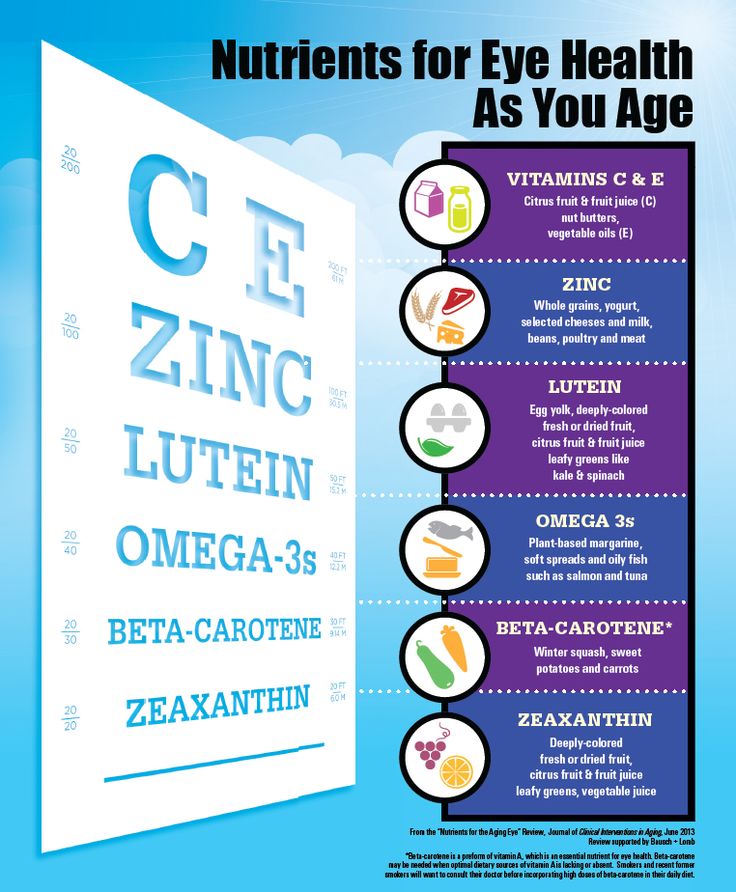
• Eat a well-balanced diet: Eat leafy green vegetables, oily fish, and fruits. Vitamin C, vitamin E, beta carotene, lutein, zeaxanthin, zinc and omega-3 fatty acids are helpful in slowing down the progression of many eye diseases. If you choose to take vitamin supplements, please make sure to consult your doctor.

• Exercise: This will aid in maintaining a healthy weight and good cardiovascular health. Obesity, high blood pressure and high cholesterol can lead to specific vision complications.

• Control your diabetes: If you have it-Uncontrolled diabetes can cause permanent damage to eye structures.

• Wear sunglasses with UV protection: This can slow down the progression rate of cataracts.

• Educate yourself: About the possibility of a family history of eye disease and about eye diseases associated with your general health issues.

• See your medical doctor regularly: Routine physicals can lead to early diagnosis of potentially sight threatening diseases.

To read the original article published on news-press.com written by Dr Tom Ghuman, click here
As april is considered women eye health and safety month, stop in at any 20/20 Eyeglass Superstore location for eye exam and get additional 10% off. We look forward to seeing you soon!

Melbourne
20/20 Eyeglass Superstore
785 N. Wickham Rd. Suite
106 Melbourne, FL 32935
321-259-3935

Orange City
20/20 Eyeglass Superstore
 1270 Saxon Blvd,
Orange City, FL. 32763
386-774-5000

Winter Park/Orlando
20/20 Eyeglass Superstore Inc
1555 Semoran Blvd.
Winter Park , FL , 32792
407 767 5600

Monday, 18 March 2013

Protect Your Eyes From Computer Radiation

Eye fatigue is often experienced by many people when they are using computers every day. Staring at a computer constantly can make eyes dry, especially in rooms with air conditioning.
Researchers have found an easy way to cope with tired eyes from too long looking at a computer, which they call a ‘20-20-20-20’ strategy, as reported by the Daily Mail.

The trick is to blink 20 times for 20 minutes. Then keep the view of the computer for 20 seconds and focus the view on an object that is 20 feet or about six feet.

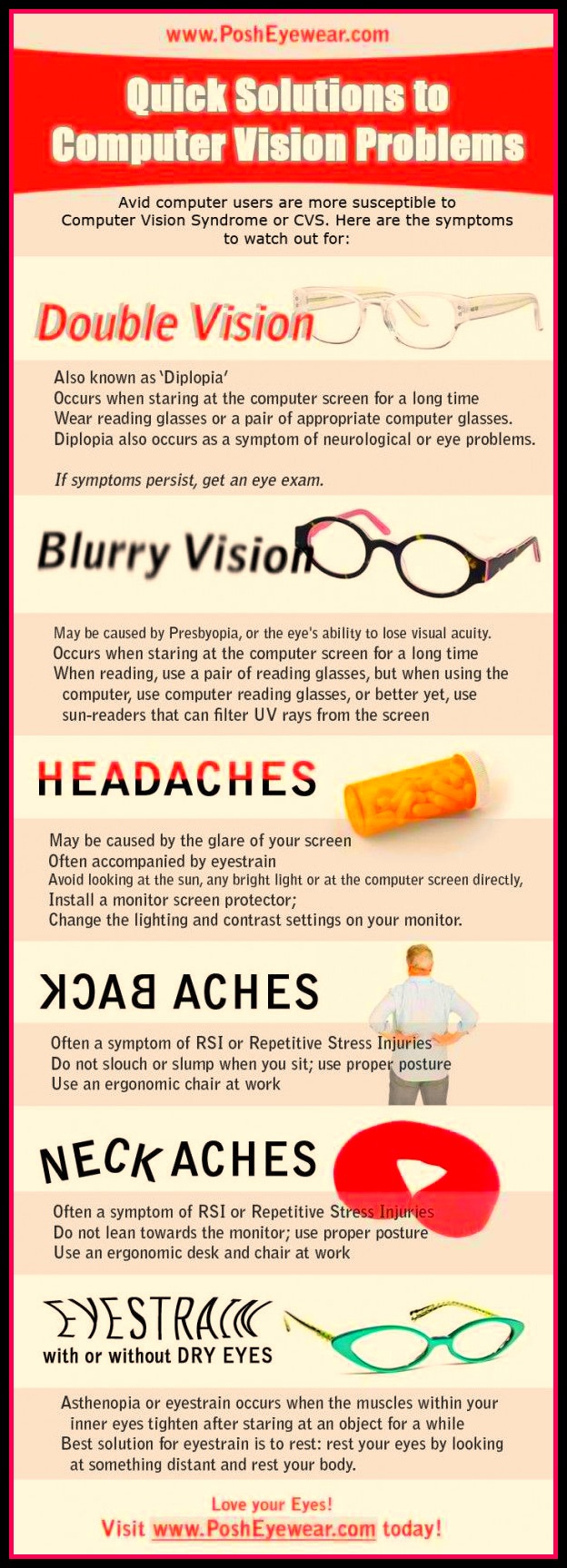
Computer Vision Syndrome (CVS) is characterized by dry eyes and fatigue, headache, stiff neck and muscle. This is usually a temporary problem, but it can be very annoying when it happens every day.
Those with the highest risk are people who spend more than three hours in front of a computer. CVS can be very annoying and painful, as well as making myopic eyes.

People who spend a lot of time in front of the computer are at risk. However, a higher risk is in employees, because currently most offices have air conditioning, which make the room dry and cold. Air conditioning that is comfortable for the body, has a negative effect on the eyes.
All the people who spend a lot of time in front of computers, especially employees sh
ould use these 20-20-20-20 strategies every day. Using eye drops before work is also recommended, but it’s better if you frequently look away from the computer.

Read the full Article on http://medicmagic.net/ published by Daniel.

Taking good care of your eyes is extremely important, so if you’re experiencing an eye problem  that lasts more than seven days, results in your eye being permanently shut, moves into your entire face, causes redness, contact your Optometrist right away.  Please feel free to contact our in-house 20/20 Eyeglass Superstore Optometrist who will be more than happy to see you as soon as possible.

Wednesday, 13 March 2013

20/20 Eyeglass Superstore launches newly designed customer-friendly website

You can read the original press release on PRBuzz.

March 6, 2013 Orlando - FL – With three convenient locations in Central Florida, 20/20 Eyeglass Superstore is proud to announce the launch of their newly designed website, www.2020eyeglass.com.  The goal of the remodeled website is to provide customers with a user experience that reflects the style and quality that has become synonymous with the 20/20 Eyeglass Superstore name.

20/20 Eyeglass Superstore online visitors can now:

●     Easily access vibrant photo galleries of designer and affordable eyeglasses and sunglasses available in stores
●     Book an appointment with an Independent Optometrist
●     View and print web-exclusive coupons for eyeglasses, sunglasses and contact lenses
●     Read blog posts about eye care, vision and the latest industry news
●     Connect socially with 20/20 Eyeglass Superstore via Facebook and Twitter

“Florida residents are looking online for their vision needs”, said Ed Ucci, Owner of 20/20 Eyeglass Superstore. “It was important to us to create a website that provides customers with everything they need to know regarding their vision health and the latest eyeglass and sunglass styles.”

Designed by SHIFT Digital Media, the 20/20 Eyeglass website boasts a fresh, vibrant design and is divided into five major sections: about, eye exams, frames, coupons and blog. Each page provides website viewers with detailed information.  Other features include social media links, contact information, newsletter signup and location information. The website’s easy-to-navigate nature provides customers with more efficient access to the information they are looking for and insures that the newly styled website will increase web traffic and maintain 20/20 as a leader in Central Florida’s eyeglass provider.

About 2020 Eyeglass Superstore

2020 Eyeglass Superstore has three retail locations in Orlando/Winter Park, Melbourne and Orange City that offer thousands of frames, at every price point, to choose from.  Each location has its own independent optometrist and in-house lab.  These features enable customers to have their own customized frames and lenses within one hour. Visit www.2020eyeglass.com for more information.

About SHIFT Digital

SHIFT digital specializes in web technology, content marketing, social media and brand strategy solutions. We help businesses maximize their exposure online, increase revenue, build their customer base and stand out against the competition using the latest in technology and marketing. SHIFT happens at www.SHIFTdigitalmedia.com.

Media Contacts

SHIFT Digital

Samantha Collier
Social Media Strategist
(407) 219-9113
samantha@shiftdigitalmedia.com


Samantha Collier
Social Media Strategist
(407) 219-9113
samantha@shiftdigitalmedia.com
Bill Webster
CEO
(407) 219-9113
bill@shiftdigitalmedia.com
www.SHIFTdigitalmedia.com