Showing posts with label 2020 Eyeglass Orange City2020 Eyeglass Melbourne2020 Eyeglass Winter Park. Show all posts

Friday, 7 February 2014

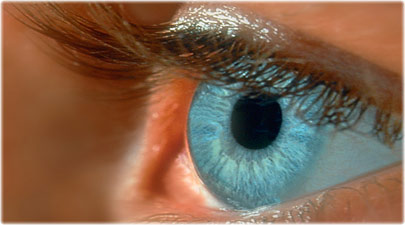
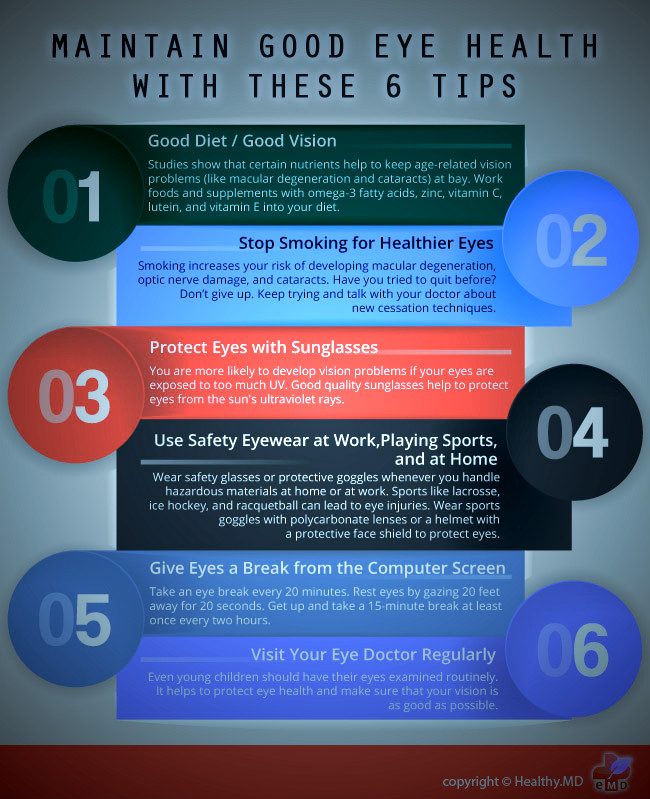
Maintain Good Eye Health

It’s important to stay up to date on eye health information, especially because some eye conditions like Glaucoma have no symptoms.  As an adult, you might ask yourself, “Why get an eye exam?” Getting an annual eye exam can easily be forgotten, especially with work, family and other obligations.  Make sure you set a reminder in your smartphone or pencil it in to your calendar to get a regular eye exam every year.
Maintain Eye Health
If it’s been more than a year since your last eye exam, please feel free to drop in to any 20/20 Eyeglass Superstore location or schedule an exam online. We have over 4000 thousand frames to choose from and we’re known for having a frame for every face and a price for any budget. We also have in-house optometrists that are available for full eye examinations.

Wednesday, 29 January 2014

Eye Vitamins And Nutrition To Boost Your Eye Health

We all enjoy a tasty fast food burger at times. If however, your diet consists of mostly processed or fast foods, you may be compromising your eye health as well as your overall health.

When it comes to your eyes, it is vital your diet include adequate vitamins and minerals to protect your vision for years to come. Multiple vision problems are easily resolved through a few minor dietary changes. Here is a breakdown of some of the more essential vitamins and minerals for protecting your eyes and enhancing your vision.

1.)    Essential Fatty Acid
Eye Vitamins And Nutrition
How do you ensure you get enough omega-3's in your diet? You can start by eating fatty fishes including salmon once or twice per week. Flax seed oil is a wonderful alternative to fish oils for eyes that provide ample omega-3s in your diet. If you are too shy to try flax seed in its raw form, you canalways invest in a supplement.

2). Vitamin A
Vitamin A and carotenoids are also vital to your eye health. Good sources of vitamin A include carrots, sweet potatoes and cod liver oil. Vitamin A is important for protecting your eyes against various diseases including macular degeneration. Other sources of vitamin A and carotenoids include green, leafy vegetables like spinach.

3). Bioflavonoids and Vitamin C
Vitamin C and bioflavonoids help protect against diseases including glaucoma and cataracts. You should look for a supplement containing bioflavonoids combined with vitamin C to maximize your body's ability to absorb vitamin C. These antioxidants help protect against oxidation and disease processes in the body.

4). Vitamin E
Vitamin E like vitamin C is an important antioxidant that help protect the eyes from various conditions including cataracts and macular degeneration. Superb sources include nuts like hazelnuts, almonds and seeds including sunflower seeds.

Overall a diet rich in antioxidants is likely to help support your eye health for years to come. Antioxidants are vital for preventing or reducing the symptoms of various eye diseases including glaucoma and cataracts. A proper diet rich in whole grains, lean proteins and vegetables will also help reduce your risk of dry eye syndrome, blindness, macular degeneration and other devastating conditions.

To read the original article click here.

20/20 Eyeglass Superstore® keeps you updated on various eye diseases and eye conditions and shares various tips about eye care with you. Drop in at any convenient location at Orlando, Melbourne or Orange City for an eye exam by an Independent Doctor of Optometry.

20/20 Eyeglass Superstore is Central Florida’s premier eye care provider with three locations in Winter Park, Melbourne, and Orange City.  We are proud to feature thousands of frame styles, lenses from the leading manufacturers, and sunglasses from the brands you love and trust.

Tuesday, 7 January 2014

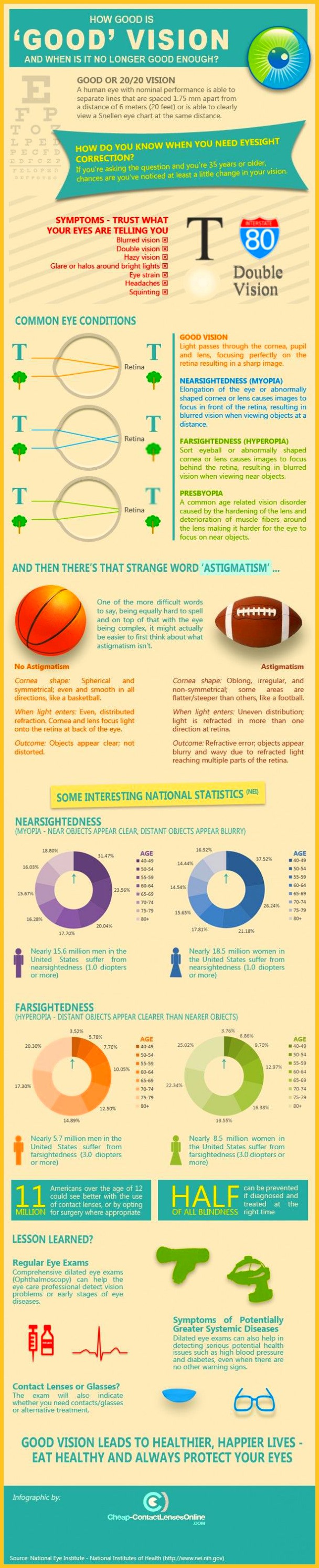
How do You Know When You Need Eyesight Correction

Start on your New Year’s resolutions by dropping by any 20/20 Eyeglass Superstore location.

It’s important to have visual testing done on a regular basis.  These screenings test visual acuity, or the ability to see objects and details at both far and near distances. It also involves the standard reading letters of different sizes on an eye chart.
How do U know When U need Eyesight Correction
20/20 Eyeglass Superstore is a family owned and operated business with locations throughout central Florida.  We look forward to becoming your trusted source for everything related to eye care, glasses and contacts. Should you have any questions or comments, please feel free to contact us anytime.

Melbourne 20/20 Eyeglass Superstore
785 N. Wickham Rd. Suite 106
Melbourne, FL 32935
321-259-3935

Monday, 6 January 2014

New Year Resolution for Your Eyes

NewYearsRes2014Each year as the New Year approaches, people around the world resolve to make changes that will result in longer, happier and healthier lives. Often people are determined to lose weight while others are committed to kicking unhealthy habits such as smoking.

Around this time of year, many of us will make a New Year’s resolution to be healthier overall. But what about taking care of one of our most precious senses, our sense of sight? The first step to preserving our sense of sight is to ensure we have healthy eyes. Here are some tips to make sure you keep your eyes healthy well into the New Year:

1). Get Regular Eye Exams: Seeing your eye doctor for a regular eye exam is important. Adults, especially those over 40, should have annual eye exams, particularly to prevent age-related ocular conditions including macular degeneration (the part of the retina that processes light deteriorates), cataracts (the lens of your eye becomes cloudy)and glaucoma (pressure in the eye damages the optic nerve). Patients over 40 can also learn about presbyopia and their vision correction options such as multifocal contact lenses or bifocals. Children should have their first eye exam between the ages of 6 and 12 months.

2). Share Medical History With Your Eye Doctor: make sure to tell your eye doctor about your medical history.
3). Replace Your Contact Lens Case Often: Eye doctors recommend replacing your contact lens case every three or four months. This helps prevent possible complications from bacterial infections
20/20 Eyeglass Superstore, we help thousands of Orlando, Melbourne City and Orange City residents purchase eyeglasses, contact lenses and sunglasses every day. We know purchasing new eyeglasses can be a challenge. Inexpensive reading glasses at the store are cheaper than prescription lenses. Is visiting an eye doctor and getting a prescription worth the extra cost?
Drop into 20/20 Eyeglass Superstore anytime to meet with an Optometrist. No appointment is needed. All we ask is that you come in 15 – 20 minutes earlier than your desired appointment time so you can fill out the paperwork. It’s that easy!
Please see in store for full details for both offers. Also, please note these specials are good at all three 20/20 Eyeglass Superstore Locations:
Orlando/Winter Park
1555 Semoran Blvd.,
Winter Park, FL. 32792
Tel: 407-767-5600
Melbourne
785 N. Wickham Rd. # 106,
Melbourne FL. 32935
Tel: 321-259-3935
Orange City
1270 Saxon Blvd,
Orange City, FL. 32763
Tel: 386-774-5000

Tuesday, 17 December 2013

Blepharitis and Eye Health

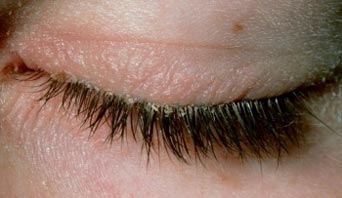
BlepharitiBlepharitis is an inflammation of the eyelids, usually caused by an excess growth of bacteria that is ordinarily found on the skin, blockage of the eyelid's oil glands, and occasionally allergies.
Blepharitis is a common eye condition, causing the eyelids to be reddened, itchy, and somewhat swollen and scaly-appearing at the base of the eyelashes. It is the most common cause of dry eyes. A dysfunction of the eyelid's oil glands that leads to blepharitis occurs because of a hormone imbalance.

What Are the Symptoms of Blepharitis?

The symptoms of blepharitis include:
  • Feeling like something is in your eye
  • Burning of the eye
  • Sensitivity to light
  • Red and swollen eyes or eyelids
  • Blurry vision
  • Dry eyes
  • Crusting of the eyelashes

How Is Blepharitis Treated?

Blepharitis cannot be cured. However, it can be treated and controlled through proper eyelid hygiene. Left untreated, blepharitis can cause more serious conditions such as scarring or injury to the eye's tissue. If you have blepharitis, take the steps listed below to help treat and cleanse your eye:
  • Take a clean washcloth and wet it in very warm water. Wring the washcloth and place it over the closed eyelids for five minutes. Re-wet as necessary to maintain desired temperature. This will help to soften crusts and loosen oily debris.
  • Place the warm, wet washcloth over the index finger and apply a diluted solution of 50% baby shampoo or mild soap.
  • Cleanse one eye at a time, closing the eye you are cleansing, and rubbing the washcloth or your finger over the eyelashes and lid margins several times using horizontal strokes.
  • Rinse thoroughly with a clean, warm, wet washcloth. Pat dry.

If the blepharitis is related to a problem with the oil glands, treatment may involve applying testosterone eye cream to the eyelids. Your doctor may also suggest a procedure known as LipiFlow, a 12-minute procedure that gently heats the clogged glands and applies mild pressure to “milk out” the unhealthy gland oils.

How Do I Prevent Blepharitis?
There are many everyday steps that you can take to prevent blepharitis. This includes removing all eye makeup before bedtime and not applying eyeliner on the back edges of the eyelids behind the eyelashes.

If you are in the early stages of treating blepharitis, avoid the use of eye makeup to prevent further irritation. Once you begin using makeup again, replace your products used in or near the eyelids because they may be contaminated.

To read the original article click here

Do you have any interesting eye health tips to share? Please feel free to share them With Us 20/20 Eyeglass Superstore. We’d love to hear from you.

Don’t forget, if you’re on the market for new glasses, you should check out our Discount Page for great savings on Eyeglasses, Sunglasses and Contact Lenses. You can also drop in and meet with an on-site Optometrist with no appointment needed. All we ask is that you come in 15 minutes prior to your desired appointment time to fill out the required paperwork.

Thursday, 12 December 2013

Stop Your Vision from Getting Worse

Stop Your Vision from Getting WorseSome people are born with poor eyesight, while others develop poor eyesight when they are young. Almost everyone experiences some deterioration in their eyesight as they age. How can you stop your vision from getting worse?

Nutrition
In today’s health-conscious society, the prevalent theory is that proper nutrition will slow down, and perhaps even improve, deteriorating vision. While studies have not proved this to be 100 percent effective, it certainly does no harm to one’s vision and definitely improves health.

Foods important to good vision are high in fiber and in vitamins such as C, D, and beta carotene or Vitamin A. Examples of such foods are carrots, spinach, kale, broccoli, raw cabbage, cauliflower, grapes, blueberries, bilberries, and cranberries. Sunflower seeds, flax seeds, and almonds are also good sources.

Egg yolks are a good source of lutein and zeaxanthin, both of which are thought to be beneficial in protecting vision and slowing macular degeneration, which is the leading cause of poor vision and blindness in elderly people

Omega-3 fatty acids are also essential to eye health. They’re found in supplements and fatty fish like Atlantic mackerel, herring, salmon, rainbow trout, tuna, and sardines. Omega-3s have many health benefits ranging from lowering cholesterol and blood sugar, to reducing the risk of macular degeneration.

Lenses
For most people correcting vision is as simple as seeing a qualified optometrist and getting a prescription for contact lenses or glasses.

Contact lenses have become popular for many reasons. Some people don’t like the way they look in glasses, or find them cumbersome depending on their lifestyle. Contact lenses are also available in many different colors that allow the wearer to change their eye color or even the appearance of their eyes if they choose cosmetic lenses. Contact lenses should be fitted properly to avoid injuring the eye, and care must be taken to avoid infection.

Eyeglasses are the most common option for improving vision and, in some cases, stopping it from deteriorating. Eyeglasses come in two parts, the lens, which is where the prescription from the eye doctor comes in, and the frame, which the wearer usually gets to choose. Lenses may be made of glass or plastic. Thickness is determined by the strength of the prescription. Most people with very poor vision choose plastic lenses because they are lighter than glass. Frames also come in several different styles, colors and may be plastic or metal, and costs vary greatly according to the options chosen.

To read the original article click here

The most important thing you can do to keep your eyes healthy is to get an annual eye examination. You may need to go more often if you have an eye disease such as Glaucoma. Many degenerative eye diseases such as Glaucoma, Cataracts and Retinal Disorders need to be caught early as it’s often too late once you get symptoms. If you notice symptoms such as pain, changes in vision or flashes of light, visit your local Optometrist right away. Early treatment from an Optometrist can prevent vision loss.  Each 20/20 Eyeglass Superstore has an Independent Optometrist. Walk-ins are welcome. All we ask is that you come 20 minutes early so we can complete all of the required paperwork. Contact us for more information.

Tuesday, 10 December 2013

Bipolar Disorder

If you’re experiencing changes in your vision or visible changes to your eyes, these can be early warning signs of serious eye conditions.  No matter how busy you are, you must put aside some time for yourself to get your eyes looked at by a certified optometrist.
20/20 Eyeglass Superstore is a family owned company that has been serving the Orange City, Melbourne and Winter Park areas for many years.  We look forward to becoming your number one source for all your eye care and eye fashion needs.  You can also follow us on Facebook or Twitter to stay up to date on eye trends and eye health.
Bipolar Disorder

Friday, 6 December 2013

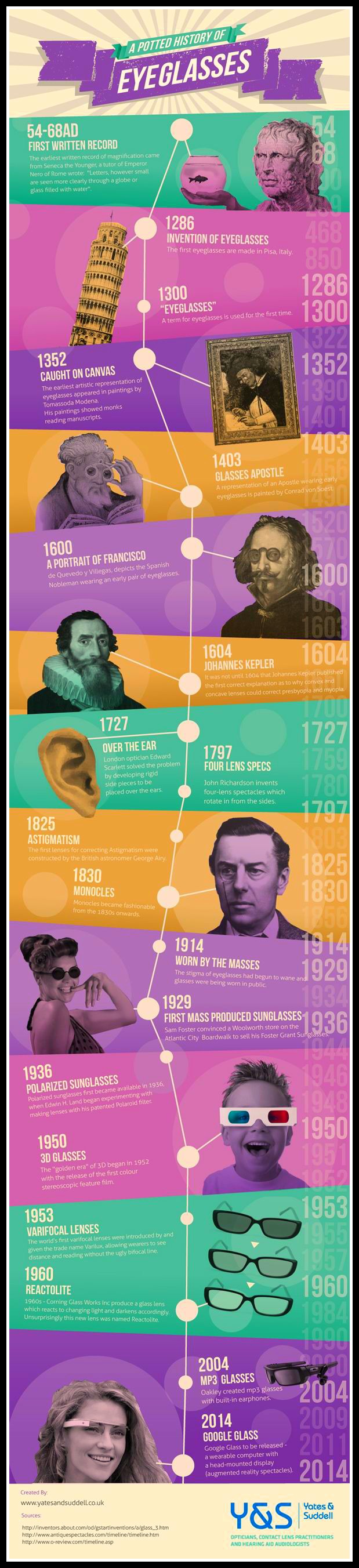
History Of EyeGlasses

Here at 20/20 Eyeglass Superstore, we help thousands of Orlando, Melbourne City and Orange City residents purchase eyeglasses, contact lenses and sunglasses every day. We know purchasing new eyeglasses can be a challenge. Today we’re discussing frequently asked questions.
Inexpensive reading glasses at the store are cheaper than prescription lenses. Is visiting an eye doctor and getting a prescription worth the extra cost?

History Of EyeGlasses
It’s important to schedule an eye examination with a optometrist if your child displays any of these symptoms. Don’t forget, you can visit an eye doctor at any 20/20 Eyeglass Superstore without an appointment. All we ask is that you show up 15 minutes early to your desired appointment time to fill out the required paperwork.

Thursday, 5 December 2013

What is the Purpose of Prism in Eyeglasses?

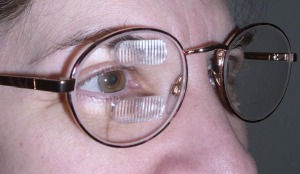
Prism in EyeglassesThe simple definition of a prism is a solid object that has the same cross-section along the entire length of its shape. When you cut straight across an object, the cut portion is called a cross-section. Draw any shape using straight lines. Now use your imagination to see it extend upward and that is a prism.

In eyeglasses, prisms are used primarily for double vision, positional correction, or convergence correction.

Prism eyeglasses are enough to correct these abnormalities if the person has nearly normal vision in their level of nearsightedness or farsightedness. However, if one of the eyes has greatly reduced vision or blindness, there could be physical or neurological issues causing the diplopia. This would then require surgery to repair the eye muscles in addition to the use of the corrective prism lenses.

Standard eyeglasses usually correct two types of eyesight errors, or a combination of both:  focal distance (near or farsightedness), or unusual curving of the cornea (astigmatism and cylinder).
Prism lenses are necessary to aid in getting the eyes to work together. One or both eyes tend to pull up, down, to the left, or to the right. The use of prism in the lenses tricks the brain into thinking the eyes are working together by shifting the image only slightly up, down, left, or right.

Recently, prisms have been helping people with hemianopia. This condition causes blindness in half of the visual field in both eyes—either the left or the right field. It is most common to brain injury and stroke victims, and sometimes each eye is defective in exactly the same way. Other times, each eye is affected differently. Less common is the lack of sight in the upper or lower fields of vision.
Quadrantanopia is the same condition, but one quarter of the eye is blind. The particular field affected can be left, right, upper, or lower, and can also be the same or different in each eye.

Since peripheral vision is most often affected, prisms are ground into the lenses to show an image outside the range of sight, simply by placing the prisms within the viewer’s sighted area. This alerts them to something which would normally not be seen and they can then turn to observe it more closely, thereby avoiding running into people or objects simply from lack of seeing them.
Read the Original article on GlassesCrafter.com

About Us
20/20 Eyeglass Superstore carries over 4000 quality and designer frames. Accordingly, our tagline is, “A Frame for Every Face and a Price for Any Budget”. We pride ourselves on assisting Orlando residents find everything they need when it comes to vision care. From prescription lenses to progressives, we can assist you find exactly what you’re looking for.

Tuesday, 3 December 2013

Tips for Eye Cosmetic Safety

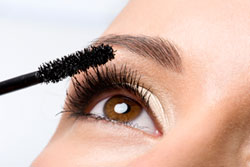
Tips for Eye Cosmetic SafetyMascara and eye shadow may enhance your appearance, but eye cosmetics can easily harm your vision. Adopting these eye makeup safety tips will help keep your eyes pretty and healthy.

Mascara, eye shadow, and eyeliner can certainly do the trick. But if putting on eye cosmetics is part of your daily ritual, you should know about some potential dangers to your eyes. In fact, being just as diligent about removing eye makeup at night is more important than applying them each morning.
Eye cosmetics are generally safe materials — as long as you use them properly. Over time, all kinds of gunk can grow in those pretty little cosmetic packages. Bacteria and fungi can multiply, and if you continue to decorate your eyes with this makeup, you're transferring those germs directly to your eyes.

Dos and Don’ts of Using Eye Cosmetics

Here’s how you can make sure your eyes are pretty and healthy — these cosmetic safety tips will minimize your eyes' exposure to bacteria:
  • Don't hold onto old makeup — throw it away after a few months.
  • Don't use mascara that's dried out — and never attempt to moisten it with your saliva or water. It’s best to replace mascara every two to four months, or sooner if it’s dried.
  • Keep eye cosmetics cool — always at 85° F or below (that means don't keep them in your car or in a steamy bathroom).
  • Don't mix and match cosmetics. Use what's intended for your eyes on your eyes only — don't use the same pencil for both lips and eyes, as that can introduce bacteria.
  • Avoid kohl eyeliners — they may contain dangerous levels of lead. And avoid permanent coloring and dyes for eyelashes, as they can cause irreversible eye damage if not used correctly.
  • Never share your cosmetics with a friend.
Tips for Applying Eye Cosmetics Safely
It's also important to apply your eye makeup safely to help prevent injury. Getting anything that close to your eye can potentially cause damage — so when you're painstakingly drawing that perfect line, take care not to get the cosmetics in your eye.
  • Never put your eye cosmetics on while you're driving or riding in a car. Y
  • Skip eye cosmetics when you've got an irritated or infected ey
  • Keep eye cosmetics outside of your eye
  • Always wash your hands before you dig into your makeup bag and start applying eye cosmetics.
  • Avoid eye cosmetics that are iridescent, glittery, or shiny
  • Make sure that all eye cosmetic applicators are clean before you use them
reaf the original article on Everydayhealth.com

If you’re experiencing changes in your vision or visible changes to your eyes, these can be early warning signs of serious eye conditions.  No matter how busy you are, you must put aside some time for yourself to get your eyes looked at by a certified optometrist.
Click here to schedule an eye exam

Friday, 29 November 2013

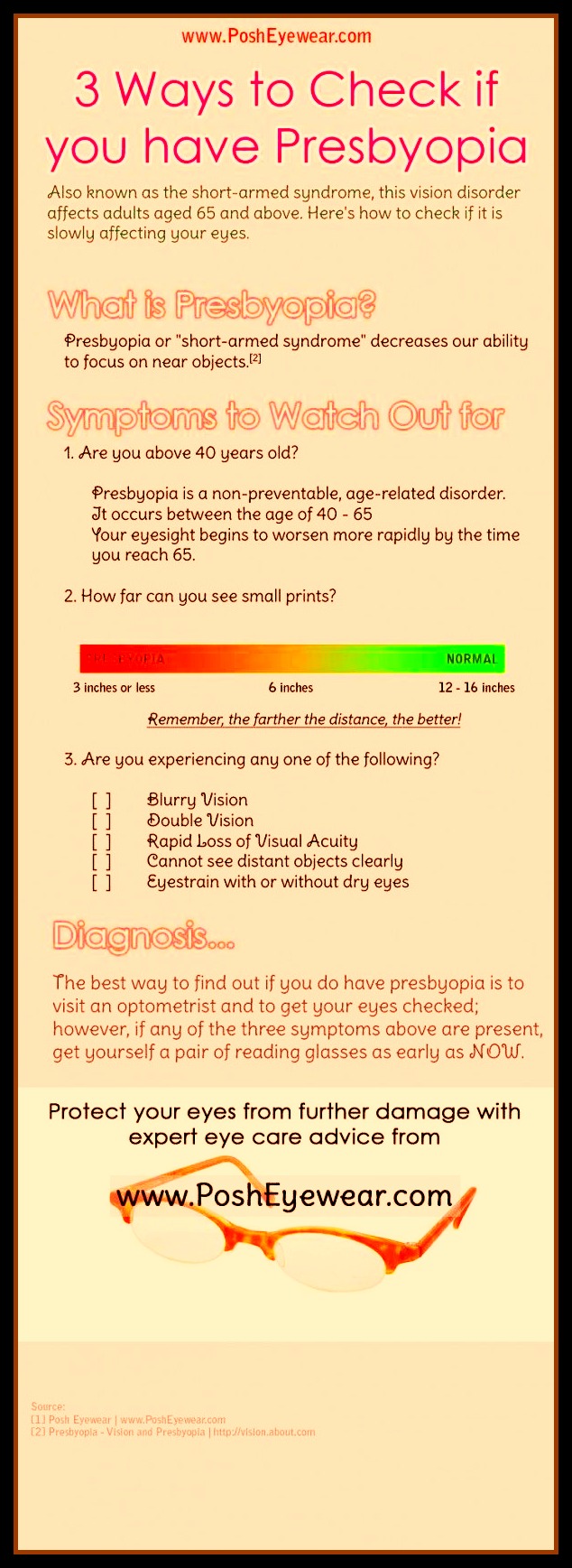
3 Ways To Check If You Have Presbyopia

If you’re experiencing changes in your vision or visible changes to your eyes, these can be early warning signs of serious eye conditions.  No matter how busy you are, you must put aside some time for yourself to get your eyes looked at by a certified optometrist.  Check out our previous post on the importance of eye exams for more information.  If you’re worried about what happens during an eye exam, check out this video from About.com which shows what happens during an eye exam.
presbyopia
20/20 Eyeglass Superstore is a family owned company that has been serving the Orange City, Melbourne and Winter Park areas for many years.  We look forward to becoming your number one source for all your eye care and eye fashion needs.  You can also follow us on Facebook or Twitter to stay up to date on eye trends and eye health.

Monday, 25 November 2013

How Glasses Correct Your Vision

How Glasses Correct Your VisionHave you ever wondered why you have to start each day by putting on your glasses? If you wear glasses, you already know they help you to see better, but you may not know exactly how they correct your vision. Eye glasses work in the same manner whether they are for nearsightedness or farsightedness. The eye glass lens is curved so that it bends the light rays that hit your eyes so you can see images clearly.

Understanding how glasses correct your vision begins with a basic understanding of how the eye works. At the back of the eye is the retina, a layer of cells that react to light. The reaction is sent to the brain, and the brain translates the activity of the cells into an image, or the thing that you see.
When your eye looks at something, the light rays come together, or focus, inside your eye. In someone with perfect vision, the rays focus directly on the surface of the retina. The image also must shrink, and it needs to be curved, because the retina is curved. The pupil and cornea are responsible for shrinking, focusing, and curving the image. If they have any irregularities, your vision will be blurry.

Nearsighted individuals cannot clearly see things that are distant. This happens because the light rays come into focus in front of the retina. Farsighted individuals have the opposite problem. The shape of their eyes causes the light rays to come into focus behind the retina, causing things that are near to them to be out of focus. Some people have blurry vision due to an astigmatism, or a condition where the curvature of the eye is irregular, creating a second focal point within the eye. All three of these common problems can be corrected with glasses.

Eyeglass lenses are curved pieces of glass. The curvature of the lens bends the light rays as they approach your eye. This helps the rays focus on your retina, instead of behind or in front of it.
There are two main types of lenses used in eye glasses or contacts. Convex lenses, curve in slightly, are used for nearsighted people. This bends the light towards the bottom and top of the lens, thus pushing the focal point back towards the retina. Farsighted individuals need a concave lens. The light that passes through a concave lens is bent towards the center, pushing the focal point forward. The goal of the correction is to have the focal point hit the retina exactly where it should for ideal vision. The degree of the lens’s curve changes with the strength of the prescription.

If you wear glasses or contact lenses, you are in good company. Around 160 million people in the United States alone wear corrective lenses to improve their vision. From that statistic, it seems that perfect vision is a rare occurrence. So when you get up tomorrow, put your glasses on with a little better understanding about how they work.

To read the original article click here.

Drop into 20/20 Eyeglass Superstore for all your eye care needs. We have a frame for every face and a price for any budget. We also have Independent Optometrists located on site who will be happy to examine your vision. Walk-in’s are welcome but we ask that you come 15 minutes prior to your desired appointment time.

Wednesday, 20 November 2013

Protect Your Eyes From Injury

Protect Your Eye From injury
If you’re experiencing changes in your vision or visible changes to your eyes, these can be early warning signs of serious eye conditions.  No matter how busy you are, you must put aside some time for yourself to get your eyes looked at by a certified optometrist.  Check out our previous post on the importance of eye exams for more information.  If you’re worried about what happens during an eye exam, check out this video from About.com which shows what happens during an eye exam.
Wednesday, 13 November 2013

Eyeglass Basics You Should Know

Eyeglass Basics You Should KnowWhen buying eyeglasses, most people are unaware of the lenses that are available to them. With evolving technology, lenses have become much more advanced and just as important as eyeglass frames.
We've created this simple guide to educate and help you better understand the types of lenses and wide assortment of lens options that are available. While reading this guide, you should ask yourself some questions like:
  • Do I spend a lot of time outdoors?
  • Do I play impact sports?
  • Do I spend a lot of time driving in a car, particularly at night?
  • Do my eyes become easily irritated by the sun?
  • Do I spend a lot of time in front of a computer?
  • Do I wear eyeglasses more than 2-3 hours per day?
The answers to these questions will help you determine what lenses will work best for you and your lifestyle.

Types of Lenses

After an eye exam, your provider will know your prescription and be able to recommend the type of lenses that you need. Most people require single vision lenses to correct nearsightedness or farsightedness or a multi-focal lens (i.e. bifocal, trifocal and progressive lenses) when there is more than one vision problem to correct. In rare cases, some people require lenticular lenses to treat serious eye conditions such as cataracts.

Lens Materials

Once you know what type of lenses you need, you and your eye care professional will need to decide what type of materials your lenses should be made of. It is best to have a list of questions to ask your doctor to ensure that your lenses are as functional as they are fashionable.

High-Index Lenses: These lenses are manufactured using a specialized plastic that refracts light better than normal plastic lenses. High-index lenses are thinner, lighter and more comfortable than traditional plastic lenses.

Polycarbonate Lenses: These lenses are made of a hardened plastic that are more impact- resistant than standard plastic lenses and have ultra-violet (UV) protection manufactured directly in the lenses.

Photochromic Lenses:  Photochromic lenses will change from clear lenses into dark-colored lenses, similar in color to that of sunglasses, when exposed to the ultra-violet (UV) rays found in sunlight.

Polarized Lenses: . Polarized lenses, which are often used in sunglasses, will eliminate glare that is caused when direct light is reflected from a horizontal surface like snow, ice, sand or water. By eliminating glare, UVA and UVB these lenses are also extremely helpful to people that have decreased vision from eye conditions such as cataracts and age-related macular degeneration (AMD).

Lens Coatings

There are a multitude of coatings available for lenses today. All of the coatings listed below can be added to lenses during the manufacturing of your eyeglasses. The type of coating(s) you and your provider may select will depend on your lifestyle and what is most beneficial to you.

Scratch-Resistant Coating: This type of coating is highly beneficial because it protects and extends the life of your lenses.

Anti-Reflective (AR) Coating: This type of coating reduces the amount of reflection on the lenses, which increases the amount of light that is able to pass through the lens.

Ultra-Violet (UV) Coating: It is extremely important to protect yourself from the long-term damages of UV rays from sunlight.  UV coating will help block these harmful rays as light passes through your lenses.

Read the original article on davisvision.com

Purchasing eyeglasses should be looked upon as an investment, so think about your lifestyle needs carefully when picking out lenses because you can achieve both functionality and fashion success with the right type of lenses and available coatings.

If you’re experiencing changes in your vision or visible changes to your eyes, these can be early warning signs of serious eye conditions.  No matter how busy you are, you must put aside some time for yourself to get your eyes looked at by a certified optometrist.  Check out our previous post on the importance of eye exams for more information.  If you’re worried about what happens during an eye exam, check out this video from About.com which shows what happens during an eye exam.

Friday, 8 November 2013

Glaucoma Steals Sight without Warning

Glaucoma Steals Sight without WarningWhat is Glaucoma?
Glaucoma is a group of eye disorders that cause gradual damage to the optic nerve, a bundle of more than 1 million nerve fibers that send images from the eye to the brain. A healthy optic nerve is necessary for good vision.

The most common form of the disease, primary open angle glaucoma, is associated with increased eye pressure, which can slowly damage the optic nerve. This eye pressure results from excessive fluid build-up in the front of the eye. A clear liquid flows continuously in and out of a space called the anterior chamber to nourish nearby tissues. When the drainage system is not working properly, fluid cannot leave the eye. As it builds up, so does eye pressure.

Who Gets Glaucoma?
Glaucoma can affect anyone regardless of age or ethnic background. Three groups, however, are particularly at risk: those with a family history of glaucoma, African Americans over age 40 and everyone over age 60, especially Hispanics.

The number of Americans with glaucoma is growing because of several trends that have increased the sizes of the major risk groups:
  • Aging population: The Baby Boom generation is entering retirement age.
  • Growth of African American and Hispanic populations: Glaucoma is five times more common among African Americans and Hispanics than among Caucasians.
  • Ongoing obesity epidemic: Obesity accounts for the rising number of people with diabetes, who are twice as likely to develop glaucoma as those without diabetes.
What Are Symptoms of Glaucoma?
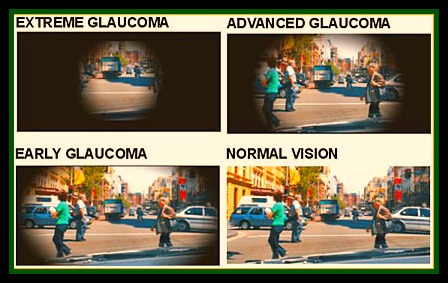
With primary open angle glaucoma, the most common type, damage to the optic nerve is so gradual that there are no symptoms at first. When symptoms do appear, it is usually loss of peripheral vision. You are able to see straight ahead, but miss objects to the side, as if you were looking through a tunnel. If glaucoma is left untreated, serious vision loss may occur in both eyes. Over time, straight-ahead vision may diminish until none remains.

A less common form of the disease is acute angle closure glaucoma. It occurs suddenly as the result of a rapid increase in eye pressure. Symptoms include severe eye pain, nausea, eye redness, seeing colored halos around lights and blurred vision. This condition is a medical emergency requiring immediate treatment, as blindness can occur in just one or two days. Treatment is either medication or surgery to allow fluid to drain out of the eye.


How Is Glaucoma Diagnosed? 
Glaucoma is diagnosed during a comprehensive eye exam. Your doctor will perform several different tests to look for eye problems and for changes in your eyes since your last exam:
  • Dilated eye exam. After drops are placed in your eyes to dilate (widen) them, a magnifying lens is used to examine your retina and optic nerve.
  • Visual acuity test. An eye chart test measures how well you see at various distances.
  • Visual field test. Measures your peripheral (side) vision.
  • Tonometry. Measures the pressure inside the eye.
  • Pachymetry. Measures the thickness of the cornea.
Read the original article on davisvision.com

If we feel that your eyes require further evaluation, we recommend that you schedule a full eye exam with our in-house optometrist. Please note there is a charge for this appointment.  You are free to schedule an appointment with another optometrist if you wish.

20/20 Eyeglass Superstore is a family operated business with three shops throughout central Florida.  Our number one goal is to become your reliable source for eye care, glasses and contacts.  Should you have any questions or comments, please feel free to contact us anytime.

Don’t forget to call ahead to make your appoint for your free vision screening in Orange City, Florida.  This promotion runs from December 15th – December 24th, 2012.
Orange City 20/20 Eyeglass Superstore
1270 Saxon Blvd,
Orange City, FL 32763
Tel: 386-774-5000

Thursday, 7 November 2013

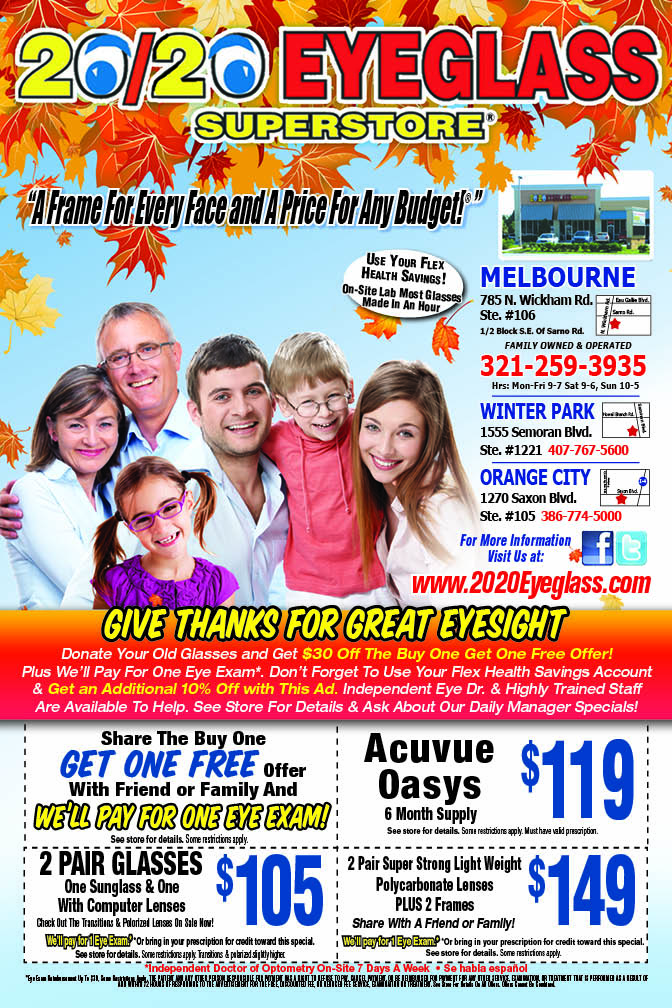
Give Thanks For Great Eyesight

20/20 Eyeglass Superstore is Central Florida’s premier eyecare provider with three locations in Winter Park, Melbourne, and Orange City.  We are proud to feature thousands of frame styles, lenses from the leading manufacturers, and sunglasses from the brands you love and trust.

Every family owned 20/20 Eyeglass Superstore location features its own independent doctor of optometry as well as an in-house lab to ensure you receive your new customized glasses in as little as one hour.  Our technicians maintain the highest standards of technical skills with the latest in eyecare technology.
2020EyeGlass
Drop in at 20/20 Eyeglass Superstore we’re here to help you find a cheap eye exam in Orlando.  We offer all of our customers competitive prices, thousands of frames to choose from and superior customer service.  Our main goal is to become your trusted source for everything related to eye care. If you have any questions about where to find a cheap eye exam in Orlando, please make sure to contact us anytime. We look forward to hearing from you.

Tuesday, 5 November 2013

Low Vision Is a Visual Impairment

Low Vision Is a Visual ImpairmentLow vision is a visual impairment, not total vision blindness, which results in a permanent decrease in the acuity of an individual's vision field. Unlike normal vision impairments such as nearsightedness and farsightedness, low vision can't be fully corrected by using standard vision aids such as eyeglasses or contacts. According to the Association for the Blind and Visually Impaired (ABVI), an individual has low vision when "the better-seeing eye will not reach visual acuity of 20/70 or greater after the strongest correction aid is applied".
Common conditions that result in low vision include cataracts, stroke, glaucoma, macular degeneration, diabetic retinopathy and retinal detachment. The five most common types of low vision, as defined by the American Optometric Association/1, are as follows:
  • Loss of Central Vision
  • Loss of Peripheral (Side) Vision
  • Night Blindness
  • Blurred Vision
Early warning signs of low vision include difficulty recognizing objects up close or at a distance, differentiating between colors, and overall blurry vision. Individuals, through their primary eye care provider, should contact a Low Vision Eye Care Specialist who can perform a unique eye examination called a low vision evaluation.This type of examination involves a multitude of tests that assess the range of the vision field, ocular perception and sensitivity, assessment of any ocular injury or disease, and overall mobility of the eye. After this series of tests, the low vision specialist will perform tests with various telescopic and magnification aids to determine which low vision aid will provide the best visual field enhancement.

Read the original article on davisvision.com

20/20 Eyeglass Superstore is Central Florida’s premier eyecare provider with three locations in Winter Park, Melbourne, and Orange City.  We are proud to feature thousands of frame styles, lenses from the leading manufacturers, and sunglasses from the brands you love and trust.

Every family owned 20/20 Eyeglass Superstore location features its own independent doctor of optometry as well as an in-house lab to ensure you receive your new customized glasses in as little as one hour.  Our technicians maintain the highest standards of technical skills with the latest in eyecare technology.

Wednesday, 30 October 2013

Looking good while seeing clearly

Looking good while seeing clearly is easy with all of the available lenses and coatings out there

How Frame Sizes WorkHere at 20/20 Eyeglass Superstore, we help thousands of Orlando, Melbourne City and Orange City residents purchase eyeglasses, contact lenses and sunglasses every day. We know purchasing new eyeglasses can be a challenge. Today we’re discussing frequently asked questions.

You found them. Created by your favorite designer. In the perfect shape. And they are just the right color. You have spent days searching for the most spectacular eyeglass frames ever to come into existence. Then your dreams shatter. Your doctor tells you they just won’t work with your prescription lenses and now you have to start all over again.

Even though fashion may be in the forefront of your mind when selecting frames, remember that form does indeed follow function. Certain lenses just won’t fit into certain frames. Maybe your lenses are too thick or too small to work with a particular frame. Keeping your prescription lenses in mind when selecting your frames will save you a lot of time, and maybe even some heartbreak.
Looking good while seeing clearly is easy with all of the available lenses and coatings out there. Just talk to your doctor about your options and then picking out that dream frame will be simple. After all, your eyeglasses are just another expression of your individuality, right?


There are many neat looks to choose from for your eyeglasses including nautical, vintage, ombre fading, metallic and vibrant colors. If you’re interested in purchasing new frames for your winter wardrobe, check out our savings section for great deals. We look forward to seeing you in the store soon!

Read the original published on davisvision.com

Tuesday, 22 October 2013

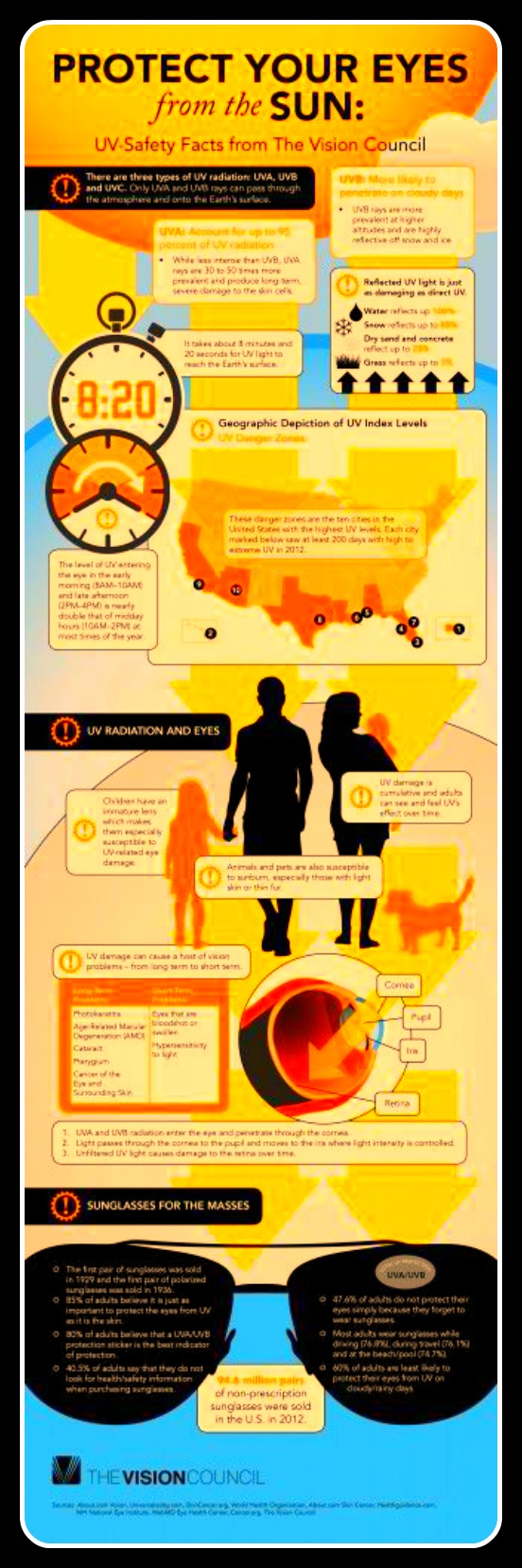
Protect Your Eyes From The Sun

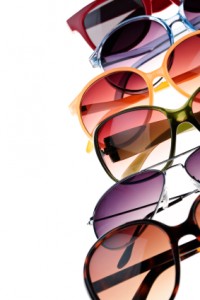
Protect your eye from the sun
Your vision is priceless and it is important that you maintain your visual wellness by scheduling a yearly comprehensive eye exam with your optometrist or ophthalmologist. Drop into 20/20 Eyeglass Superstore for all your eye care needs. We have a frame for every face and a price for any budget. We also have Independent Optometrists located on site who will be happy to examine your child’s vision. Walk-in’s are welcome but we ask that you come 15 minutes prior to your desired appointment time.

Friday, 18 October 2013

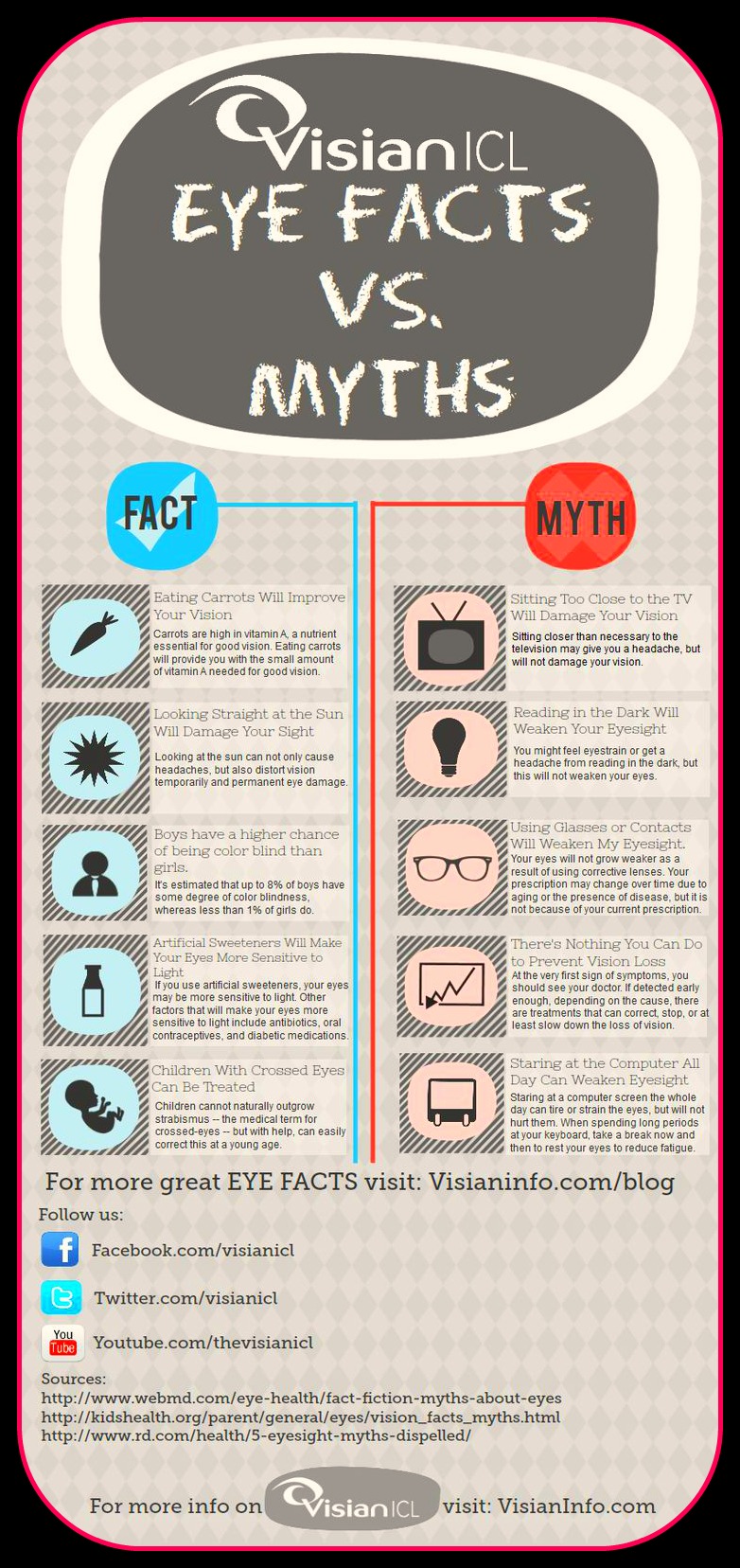
Eye Facts vs Myths

Eye Facts VS Myths
20/20 Eyeglass Superstore is Central Florida’s premier eyecare provider with three locations in Winter Park, Melbourne, and Orange City.  We are proud to feature thousands of frame styles, lenses from the leading manufacturers, and sunglasses from the brands you love and trust.

Drop into 20/20 Eyeglass Superstore for all your eye care needs. We have a frame for every face and a price for any budget.