Showing posts with label Winter Park eye exam. Show all posts

Friday, 7 February 2014

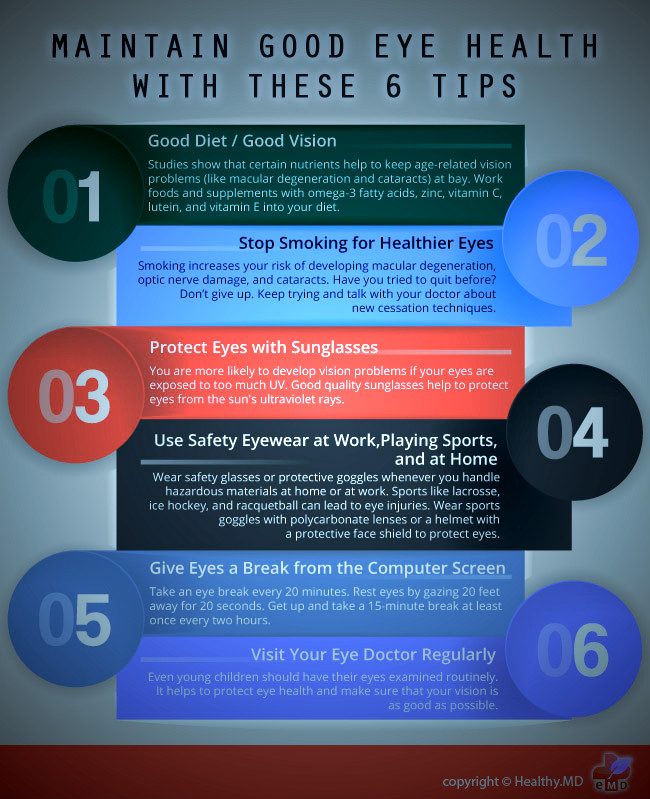
Maintain Good Eye Health

It’s important to stay up to date on eye health information, especially because some eye conditions like Glaucoma have no symptoms.  As an adult, you might ask yourself, “Why get an eye exam?” Getting an annual eye exam can easily be forgotten, especially with work, family and other obligations.  Make sure you set a reminder in your smartphone or pencil it in to your calendar to get a regular eye exam every year.
Maintain Eye Health
If it’s been more than a year since your last eye exam, please feel free to drop in to any 20/20 Eyeglass Superstore location or schedule an exam online. We have over 4000 thousand frames to choose from and we’re known for having a frame for every face and a price for any budget. We also have in-house optometrists that are available for full eye examinations.

Wednesday, 29 January 2014

Eye Vitamins And Nutrition To Boost Your Eye Health

We all enjoy a tasty fast food burger at times. If however, your diet consists of mostly processed or fast foods, you may be compromising your eye health as well as your overall health.

When it comes to your eyes, it is vital your diet include adequate vitamins and minerals to protect your vision for years to come. Multiple vision problems are easily resolved through a few minor dietary changes. Here is a breakdown of some of the more essential vitamins and minerals for protecting your eyes and enhancing your vision.

1.)    Essential Fatty Acid
Eye Vitamins And Nutrition
How do you ensure you get enough omega-3's in your diet? You can start by eating fatty fishes including salmon once or twice per week. Flax seed oil is a wonderful alternative to fish oils for eyes that provide ample omega-3s in your diet. If you are too shy to try flax seed in its raw form, you canalways invest in a supplement.

2). Vitamin A
Vitamin A and carotenoids are also vital to your eye health. Good sources of vitamin A include carrots, sweet potatoes and cod liver oil. Vitamin A is important for protecting your eyes against various diseases including macular degeneration. Other sources of vitamin A and carotenoids include green, leafy vegetables like spinach.

3). Bioflavonoids and Vitamin C
Vitamin C and bioflavonoids help protect against diseases including glaucoma and cataracts. You should look for a supplement containing bioflavonoids combined with vitamin C to maximize your body's ability to absorb vitamin C. These antioxidants help protect against oxidation and disease processes in the body.

4). Vitamin E
Vitamin E like vitamin C is an important antioxidant that help protect the eyes from various conditions including cataracts and macular degeneration. Superb sources include nuts like hazelnuts, almonds and seeds including sunflower seeds.

Overall a diet rich in antioxidants is likely to help support your eye health for years to come. Antioxidants are vital for preventing or reducing the symptoms of various eye diseases including glaucoma and cataracts. A proper diet rich in whole grains, lean proteins and vegetables will also help reduce your risk of dry eye syndrome, blindness, macular degeneration and other devastating conditions.

To read the original article click here.

20/20 Eyeglass Superstore® keeps you updated on various eye diseases and eye conditions and shares various tips about eye care with you. Drop in at any convenient location at Orlando, Melbourne or Orange City for an eye exam by an Independent Doctor of Optometry.

20/20 Eyeglass Superstore is Central Florida’s premier eye care provider with three locations in Winter Park, Melbourne, and Orange City.  We are proud to feature thousands of frame styles, lenses from the leading manufacturers, and sunglasses from the brands you love and trust.

Wednesday, 22 January 2014

10 Reasons To Choose 20/20 EyeGlass Superstore

10 Reasons To Use 2020 Eyeglass20/20 Eyeglass Superstore is Central Florida’s premier eye care provider with three locations in Winter Park, Melbourne, and Orange City.  We are proud to feature thousands of frame styles, lenses from the leading manufacturers, and sunglasses from the brands you love and trust.
Every family owned 20/20 Eyeglass Superstore location features its own independent doctor of optometry as well as an in-house lab to ensure you receive your new customized glasses in as little as one hour.  Our technicians maintain the highest standards of technical skills with the latest in eye care technology.
Drop into 20/20 Eyeglass Superstore for all your eye care needs. We have a frame for every face and a price for any budget. We also have Independent Optometrists located on site who will be happy to examine your vision. Walk-in’s are welcome but we ask that you come 15 minutes prior to your desired appointment time.

Monday, 20 January 2014

Dilate My Eye Please!

Dilate My EyeThere are many different parts to an eye exam. Dilating the eyes is one of them. Many times people wonder just what this procedure is meant for. It is a normal procedure done during an eye examination, as well as when new eyeglasses or contact lenses are being purchased.

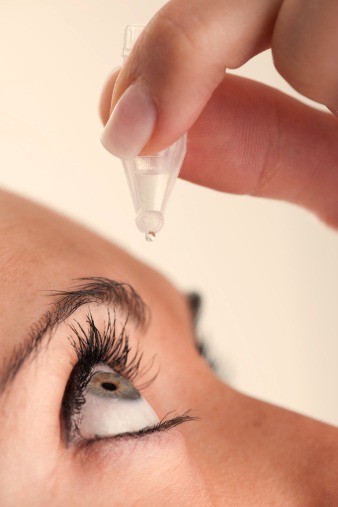
Dilating the eyes is done by using a special eye drop in the patient’s eyes that enlarges the pupils. After they become dilated, the eye doctor will be able to closely examine the structure of each eye. This will include an exam of the optic nerve, the retina, and the blood vessels. The eye drops allow the optometrist to exam these in greater detail than without the drops. This can be a very important part of an eye exam, as it can help determine if there are specific eye problems that need to be taken care of.

Dilating the eyes is important to see the whole eye thoroughly. In a normal exam, the pupils will become smaller when a light is shone into the eye. The drops help the pupils open up wider for better examination, and work in one of two ways. They may stimulate the muscle in the iris that is responsible for opening up the pupil. Or, they stop the action of the muscle of the iris that closes up the pupil. After the dilation takes effect, the optometrist will be able to see the retina and optic nerve much better, which is a highly important step to finding eye problems. It is also done before most major eye surgeries, as well. In some cases, even diabetes and hypertension have been caught early through a dilated eye examination. An eye doctor can detect a body’s disease when looking into the eye. If disease indications are present within the eye the eye doctor will refer the patient to their primary doctor for further examination.

Dilation of the eyes is not the best part of the eye exam for most people. The drops typically cause a person’s vision to become very blurry, and they may also be sensitive to light. After the eye drops are in, the discomfort can last about 3 to 6 hours, however; some patients report discomfort for 24 hours or so. While the drops themselves are painless, having blurry vision for hours afterward can be a nuisance, as well as somewhat dangerous for those who may be driving. If you know you will be having your eyes dilated, you should take some measures to ensure your comfort and safety.
  • If at all possible, do not drive home yourself after the exam. Have a friend or family member drive.
  • Bring a pair of dark glasses with you, so you can block out the light as best as possible when leaving the building.
  • Try to maintain light activity after your dilation. Reading, writing, and delicate hand work will likely be difficult.
Having the eyes dilated is a very important part of an eye examination. While it may not be needed at each yearly exam, it should be scheduled regularly. This is especially true for patients who may have failing vision, so any problems can be found and corrected as soon as possible.

To know more about dilation drop in at 20/20 Eyeglass Superstore®, Winter Park, Florida for a comprehensive eye exam by an on-site Independent Doctor of Optometry.  You can schedule an appointment online or just walk in to your nearest store. Just give us 15 to 20 minutes to complete the necessary paperwork before your appointment.

OR call us at any our three locations in Florida
Orlando/Winter Park
1555 Semoran Blvd.,
Winter Park, FL. 32792
Tel: 407-767-5600

785 N. Wickham Rd. # 106,
Melbourne FL. 32935
Tel: 321-259-3935

1270 Saxon Blvd,
Orange City, FL. 32763
Tel:  386-774-5000
Read the original article on glassescrafter.com

Wednesday, 24 April 2013

Four Ways to Beat Spring Allergies


The blooming season has begun, and your allergies have started to blossom too. You dread the idea of months of suffering; the sneezing, watery and itchy eyes, and general misery that comes with spring. How can you make this allergy season more tolerable? 

20/20 Eyeglass Superstore is a family owned and operated business with locations in Orlando, Melbourne and Orange City. This spring, the folks at 20/20 Eyeglass Superstore are sharing tips on how to keep your eyes healthy.  

1. Plan ahead
The best tactic in the war against allergy season is to plan ahead. If you need allergy medication, start taking it slightly before the season begins for the most effective treatment. This helps your body prevent the inflammatory response from typical allergens in the first place. Once your body starts to react, it can be hard, if not impossible, to get the inflammation under control.

2. Cleanliness
Washing your face after you’ve been outside, and showering before bedtime will rinse away pollen and dust on your skin and hair. Keep dogs and cats bathed and as clean as possible to prevent them from bringing allergens into your home. While impractical to bathe them daily, try a special allergy solution that is wiped on the animal, minimizing the effects of their dander. Consult your eye care or allergy professional for more details on these products. Vacuum carpets well and wipe down surfaces regularly to minimize the amount of pollutants inside your home.

3. Natural Help
Rather than using chemicals and medications, you can opt for homeopathic cures. Herbs and foods that naturally fight inflammation, saline as part of your eye care routine or in a method called nasal irrigation, and even acupuncture have been shown to help allergy sufferers immensely without the potentially dangerous side effects of allergy medications.

4. Using your HVAC
During allergy season (and really, any other time of year), it is critical to replace your HVAC system filter monthly. Be sure to purchase a filter designed to remove most allergens, and set a reminder that will let you know it’s time for replacement. Air filters cannot effectively remove pollutants if they are clogged and dirty. Keep your windows closed and use your cooling system rather than allow wind to blow dust and pollen into your house.

Rather than being in misery this spring, there are plenty of ways you can reduce the severity of your suffering. Talk to your eye care professional before the season begins to ensure that you are comfortable even though the world is in bloom.

Read the original article published on Pikespeakeyecare.com

For more information on how to keep your eyes healthy this spring, visit your local 20/20 Eyeglass Superstore or make an appointment with our in-house independent optometrist. We look forward to seeing you soon.

Tuesday, 23 April 2013

April is Women's Eye Health and Safety Month


Did you know that worldwide, two-thirds of people affected by vision loss are women?
This is likely because women live longer than men and, therefore, are more susceptible to age-related eye disease.

At 90 and older, there are five times as many women living as men. Recent studies have shown that more women than men suffer from age-related macular degeneration, cataracts, glaucoma and diabetic retinopathy, the four leading eye diseases in the United States. Women are also at higher risk to develop sight-threatening autoimmune diseases such as multiple sclerosis, lupus and rheumatoid arthritis.

Following things you can do to help maintain good vision:

• Monitor your vision: Check it often, and check it one eye at a time. If you notice a change in your vision, please notify your eye doctor right away.

• Do not smoke: Smoking significantly increases the risk of complications with certain eye diseases, especially in women.

• Eat a well-balanced diet: Eat leafy green vegetables, oily fish, and fruits. Vitamin C, vitamin E, beta carotene, lutein, zeaxanthin, zinc and omega-3 fatty acids are helpful in slowing down the progression of many eye diseases. If you choose to take vitamin supplements, please make sure to consult your doctor.

• Exercise: This will aid in maintaining a healthy weight and good cardiovascular health. Obesity, high blood pressure and high cholesterol can lead to specific vision complications.

• Control your diabetes: If you have it-Uncontrolled diabetes can cause permanent damage to eye structures.

• Wear sunglasses with UV protection: This can slow down the progression rate of cataracts.

• Educate yourself: About the possibility of a family history of eye disease and about eye diseases associated with your general health issues.

• See your medical doctor regularly: Routine physicals can lead to early diagnosis of potentially sight threatening diseases.

To read the original article published on news-press.com written by Dr Tom Ghuman, click here
As april is considered women eye health and safety month, stop in at any 20/20 Eyeglass Superstore location for eye exam and get additional 10% off. We look forward to seeing you soon!

Melbourne
20/20 Eyeglass Superstore
785 N. Wickham Rd. Suite
106 Melbourne, FL 32935
321-259-3935

Orange City
20/20 Eyeglass Superstore
 1270 Saxon Blvd,
Orange City, FL. 32763
386-774-5000

Winter Park/Orlando
20/20 Eyeglass Superstore Inc
1555 Semoran Blvd.
Winter Park , FL , 32792
407 767 5600