Showing posts with label Park eye exam. Show all posts

Wednesday, 29 January 2014

Eye Vitamins And Nutrition To Boost Your Eye Health

We all enjoy a tasty fast food burger at times. If however, your diet consists of mostly processed or fast foods, you may be compromising your eye health as well as your overall health.

When it comes to your eyes, it is vital your diet include adequate vitamins and minerals to protect your vision for years to come. Multiple vision problems are easily resolved through a few minor dietary changes. Here is a breakdown of some of the more essential vitamins and minerals for protecting your eyes and enhancing your vision.

1.)    Essential Fatty Acid
Eye Vitamins And Nutrition
How do you ensure you get enough omega-3's in your diet? You can start by eating fatty fishes including salmon once or twice per week. Flax seed oil is a wonderful alternative to fish oils for eyes that provide ample omega-3s in your diet. If you are too shy to try flax seed in its raw form, you canalways invest in a supplement.

2). Vitamin A
Vitamin A and carotenoids are also vital to your eye health. Good sources of vitamin A include carrots, sweet potatoes and cod liver oil. Vitamin A is important for protecting your eyes against various diseases including macular degeneration. Other sources of vitamin A and carotenoids include green, leafy vegetables like spinach.

3). Bioflavonoids and Vitamin C
Vitamin C and bioflavonoids help protect against diseases including glaucoma and cataracts. You should look for a supplement containing bioflavonoids combined with vitamin C to maximize your body's ability to absorb vitamin C. These antioxidants help protect against oxidation and disease processes in the body.

4). Vitamin E
Vitamin E like vitamin C is an important antioxidant that help protect the eyes from various conditions including cataracts and macular degeneration. Superb sources include nuts like hazelnuts, almonds and seeds including sunflower seeds.

Overall a diet rich in antioxidants is likely to help support your eye health for years to come. Antioxidants are vital for preventing or reducing the symptoms of various eye diseases including glaucoma and cataracts. A proper diet rich in whole grains, lean proteins and vegetables will also help reduce your risk of dry eye syndrome, blindness, macular degeneration and other devastating conditions.

To read the original article click here.

20/20 Eyeglass Superstore® keeps you updated on various eye diseases and eye conditions and shares various tips about eye care with you. Drop in at any convenient location at Orlando, Melbourne or Orange City for an eye exam by an Independent Doctor of Optometry.

20/20 Eyeglass Superstore is Central Florida’s premier eye care provider with three locations in Winter Park, Melbourne, and Orange City.  We are proud to feature thousands of frame styles, lenses from the leading manufacturers, and sunglasses from the brands you love and trust.

Friday, 17 January 2014

Some Common Eye Conditions

The eye is an extraordinary and intricate organ. Each eye contains more than twenty parts. Its function is highly specialized. There are numerous disorders and diseases of the eye, some common, some rare. Many vision problems can be corrected with eyeglasses, others cannot. Following is information on some of the more common eye conditions.

Age-Related Macular Degeneration (AMD):    

The macula is in the center of the retina, located at the back of the eye. It allows perception of fine detail. AMD destroys sharp central vision, such as that needed for reading and driving.

AMD is the leading cause of vision loss in people over the age of 60. It is painless, and can cause a slow or rapid decrease in vision. Risk factors include age, smoking history, obesity, race (most common in Caucasians), and gender (more common in women).

There is no current medical treatment for dry AMD; use of aids, such as (prescription eyeglasses) that magnify print, can be helpful.

Posterior Vitreous Degeneration (PVD): 

The vitreous is the clear jelly-like substance that fills the eye between the lens and the retina. It is 99 percent water, 1 percent collagen. The vitreous is attached to the retina.

There is no treatment for PVD; eventually the brain adapts to the floaters and people adjust to them. It does not cause permanent sight loss, though it can lead to retinal detachment if the vitreous pulls hard enough to tear the retina. Retinal detachment is treated separately from PVD (see below).

Glaucoma 
The optic nerve is attached to the back of the eye near the macula, the center of the retina. It is responsible for sending electrical impulses to the brain to form images when light enters the retina.
In order for the eye to retain its shape, it needs to maintain a certain amount of pressure. As people age, pressure changes can occur and/or the optic nerve can weaken. When the optic nerve is damaged at the point where it leaves the eye, glaucoma occurs.

Treatment for glaucoma consists of reducing the pressure in the eye and increasing blood supply to the optic nerve. Eye drops are commonly used, and may be followed by laser therapy, or trabeculectomy. Treatment cannot restore vision loss that has already occurred, but can slow down or prevent further loss of sight.

Cataracts 
The crystalline lens of the eye is a clear capsule-like bag that hangs behind the iris. It focuses light on the retina, so the retina can transmit visual images to the brain.

Cataracts can be removed with surgery, a quick, painless procedure accomplished under local anesthetic. The clouded lens is removed and replaced with a small plastic lens. Follow-up treatment includes a series of eye drops to facilitate healing.

Uveitis 
The uvea is the inner layer, between the sclera (at the front of the eye) and retina (at the back of the eye), comprised of the iris, the choroid, and the ciliary body. The uvea supplies blood to the retina.
Uveitis can be caused by many things: a viral infection, a fungal infection, a parasite, trauma to the eye, or it can be related to an autoimmune condition such as rheumatoid arthritis or ankylosing spondylitis.

Treatment varies depending on the cause and other underlying conditions, but includes corticosteroids, eye drops, pain relief, treatment of disease, and prevention of vision loss. While the infection is treated, it is best to wear (eye glasses) rather than contact lenses.
20202 EyeGlassThe human eye is an amazing organ that most of us rely on every waking moment of the day.  From morning till night, our vision allows us to see beautiful Florida sunsets, our beloved family and much more.  Here at 20/20 Eyeglass Superstore, our main goal is to keep you up-to-date on everything related to eye care and eye health.

Here at 20/20 Eyeglass Superstore, we help thousands of Orlando, Melbourne City and Orange City residents purchase eyeglasses, contact lenses and sunglasses every day. We know purchasing new eyeglasses can be a challenge. Inexpensive reading glasses at the store are cheaper than prescription lenses. Is visiting an eye doctor and getting a prescription worth the extra cost?
To read the original article click here

Monday, 13 January 2014

Which Frame Style is Right for Your Face Shape?

What Frame Style is Right for Your Face ShapeMany people have the need to wear eyeglasses. Picking the right frames that fit the shape and angles of the face is one of the most important parts of picking glasses out, after the prescription strength, of course. Since most people’s faces have a whole different combination of shapes, sizes, and contours, the easiest way to find the best frame style is to go with the shape of the face that your features resemble the very most.

Round Face
A person with a round face has the same proportions in length and by width. Rectangle frames are recommended for these types of faces, as they can add some needed angles. A pair that is not any wider than the width of the face is a great choice, and dark colors are also best. Experts also agree that embellishments around the edges of the glasses are not a good idea, as they can actually make a round face look wider.

Heart Face
A heart face is aptly named for those who have a wide forehead, a narrower chin, and a shape that looks like a heart when the hair is pulled back from the forehead. Light colored frames are the best for a heart shaped face, as are rimless frames that are oval or rectangular shaped.

What Frame Style is Right for Your Face Shape? Oval Face
An oval face shape is many times considered to be one of the best shapes since it is the most balanced of all. Most frames will look good on an oval face, although a person should still keep the actual size of their face in mind.

Square Face
Those who have a square face will be characterized by a very strong jaw line, as well as a wider forehead. Frames should be chosen that help minimize the width of the face, as well as make the face look thin and a bit longer. Narrower frames that are wider more than they are thicker will help make the face shape look the best. Narrow oval frames can also help with harsh angles of the face, and many people choose a soft and delicate style to balance out their harder features.

Oblong Face
Those with an oblong face shape have a longer face than what the width is, so frames should try to accentuate the face to make it look shorter. A square frame is the best option for an oblong face. Frame shapes that have more depth in their length will also make the oblong face shape look smaller.

Long Nose
Those who have a longer or larger nose will also be looking for the right frame style for their face. Frames that have a lower bridge will best fit a bigger nose.

It is also important to remember to pay attention to the size of your face when choosing frames. A large pair of frames on a small face or vice versa will not look good. A good rule of thumb is to keep the frames less than the width of the face at the widest part.

There are hundreds of options when it comes to purchasing eyeglasses, sunglasses and contact lenses in Orlando. There are also thousands of options when it comes to finding the perfect frames for your face. As you know, our tagline is, “A Frame For Every Face and a Price For Any Budget”, so we think 20/20 Eyeglass Superstore is the perfect choice for all your vision care needs.
Read the original article on Glassescrafter.com

Monday, 18 November 2013

10 Things You Probably Dont Know About Your Eyes

20/20 Eyeglass Superstore is a family owned company that has been serving the Orange City, Melbourne and Winter Park areas for many years.  We look forward to becoming your number one source for all your eye care and eye fashion needs.  You can also follow us on Facebook or Twitter to stay up to date on eye trends and eye health.
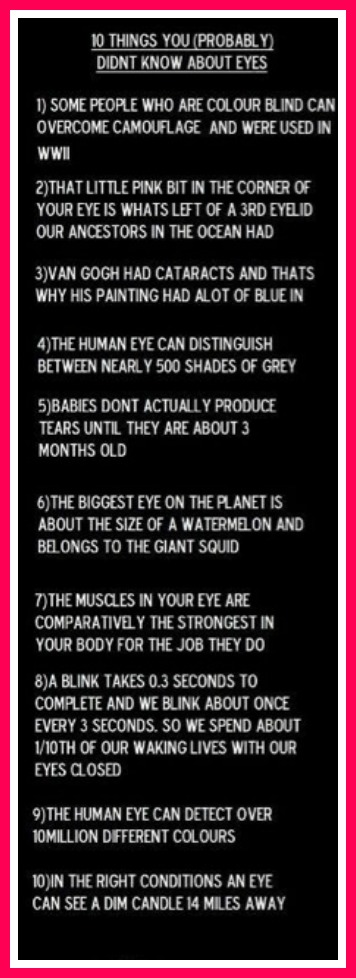
10 Things You Probably Dont Know About Your Eyes
Drop into 20/20 Eyeglass Superstore for all your eye care needs. We have a frame for every face and a price for any budget. We also have Independent Optometrists located on site who will be happy to examine your vision. Walk-in’s are welcome but we ask that you come 15 minutes prior to your desired appointment time.

Wednesday, 6 November 2013

Corneal Blindness

Your vision is priceless and a thirty minute appointment once a year is certainly something you should be able to commit too. Getting your eyes tested regularly will help you stay on top of your general health, eye diseases and even headaches! Schedule an eye exam at 20/20 Eyeglass Superstore? You can schedule an eye exam online here, or call 407-767-5600

Corenal BlindnessOur eye care tips will help you prepare your eyes for the warmer season. Keep your eye drops in the fridge, preparing for allergies, and visiting your optometrist for an eye examination.
Here at 20/20 Eyeglass Superstore, we help thousands of Orlando, Melbourne City and Orange City residents purchase eyeglasses, contact lenses and sunglasses every day. We know purchasing new eyeglasses can be a challenge. Today we’re discussing frequently asked questions.

Thursday, 26 September 2013

How Do We See Color?

The human eye is an amazing organ that most of us rely on every waking moment of the day.  From morning till night, our vision allows us to see beautiful Florida sunsets, our beloved family and much more.  Here at 20/20 Eyeglass Superstore, our main goal is to keep you up-to-date on everything related to eye care and eye health.

How Do We See Color
20/20 Eyeglass Superstore of Melbourne, FL is always glad to share helpful information like these interesting eye facts with you! We’d love to help you in any way we can, so come on by and see us at one of our 20/20 Eyeglass Superstore locations in central Florida.

Friday, 16 August 2013

Diabetes Can Steal Your Vision

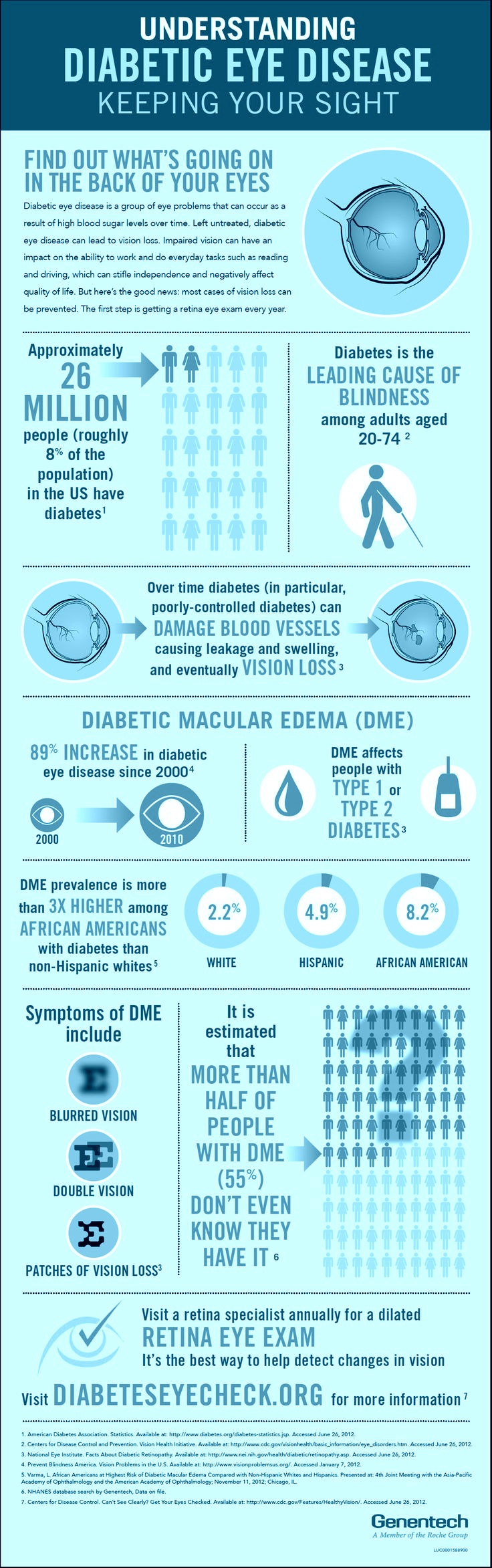
Diabetes Can Steal Your Vision
If you’re experiencing changes in your vision or visible changes to your eyes, these can be early warning signs of serious eye conditions.  No matter how busy you are, you must put aside some time for yourself to get your eyes looked at by a certified optometrist.  Check out our previous post on the importance of eye exams for more information.  If you’re worried about what happens during an eye exam, check out this video from About.com which shows what happens during an eye exam.

Here at 20/20 Eyeglass Superstore we’re here to help you find a cheap eye exam in Orlando.  We offer all of our customers competitive prices, thousands of frames to choose from and superior customer service.  Our main goal is to become your trusted source for everything related to eye care. If you have any questions about where to find a cheap eye exam in Orlando, please make sure to contact us anytime. We look forward to hearing from you.

Monday, 29 April 2013

Why Have an Eye Exam?


Vision loss can happen to anyone, at any age, but many people aren’t aware that 75 per cent of vision loss can be prevented or treated. That’s why visiting Doctor of Optometry regularly is so important.
Your eyes are for life – and unless you take care of them, you could be at risk of losing a lifetime of sight and so much more.

What to expect during an eye exam?

Visit your Doctor of Optometry? Don’t be nervous – getting an eye exam is easy. Here's a step-by-step primer on what you can usually expect...
  1. Pre-testing
    First, you’ll be pre-tested, likely by a technician or an assistant. This consists of a series of tests, which may include a “puff test” (a quick puff of air against the eyeball) to measure your internal eye pressure and detect glaucoma.
  2. Meeting your doctor
    Next you'll be introduced to your Doctor of Optometry who will take a thorough case history.
  3. Testing your eye power
    Your Doctor of Optometry will measure your prescription or the power of your eyes to determine if you require eyeglasses, and, if so, how strong they should be.
  4. Looking closer
    You’ll be examined with a device called a slit lamp. This allows the doctor to examine the front of the eye including the eyelids, corneas and pupil reflexes.
  5. Getting eye drops
    You may then have drops put in your eyes to dilate your pupils. They take about 15 minutes to take effect.
  6. Further testing
    After your pupils have dilated, your Doctor of Optometry will continue to examine your eyes to check for any abnormalities or causes for concern, again using the slit lamp and a specially designed head lamp. The whole exam usually takes about 30 minutes.
  7. Final recommendations
    After the exam is finished, your Doctor of Optometry will review the results and talk with you about their recommendations.
To read the original article published on visionhealthmonth.cnib.ca, click here.

Make an appointment – make a difference!

We hope this article has inspired you to visit your local optometrist. Your vision is priceless and a thirty minute appointment once a year is certainly something you should be able to commit too. Getting your eyes tested regularly will help you stay on top of your general health, eye diseases and even headaches!
Want to schedule an eye exam at 20/20 Eyeglass Superstore? You can schedule an eye exam online here, or call 407-767-5600