Do you ever step outside, take a deep breath—and begin to sneeze uncontrollably as
your eyes start to itch and swell?
You
are not alone. Many adults and children suffer from seasonal allergies.
Fortunately, there is more help than ever before for seasonal allergy
victims.
Allergic conjunctivitis is the most common seasonal allergy that
affects the eyes. Its symptoms—itchy, watery, red and swollen eyes—are usually caused by exposure to pollen.
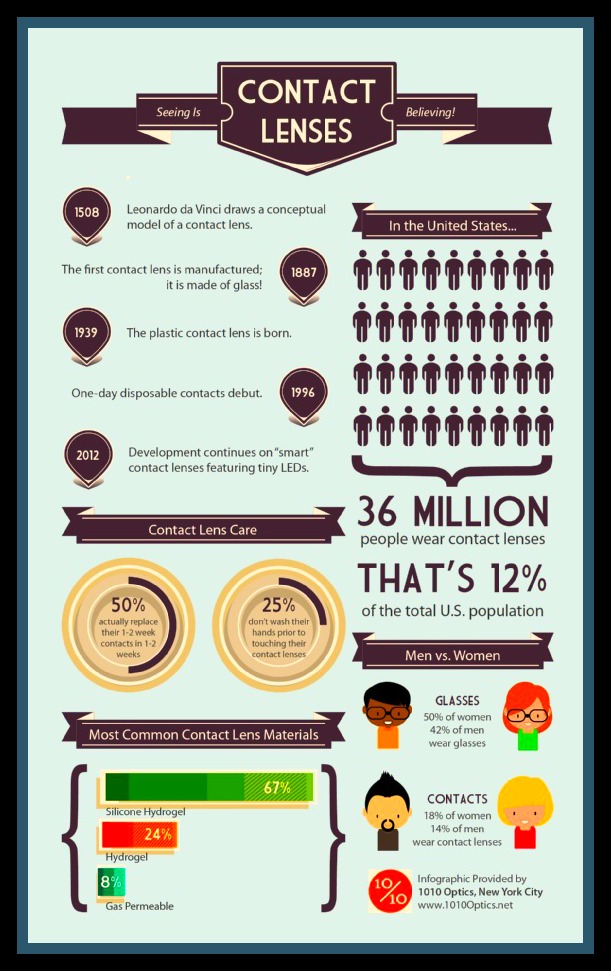
Contact lens wearers may experience additional discomfort from the collection of pollen and allergy-related eye secretions that can bind to their lenses.
How
do you know if your symptoms are caused by an allergy or by another
condition or disease? Both allergies and colds cause symptoms of
sneezing, congestion, runny nose, watery eyes, fatigue and headaches.
Pay close attention to the following, more subtle signs to learn whether
you have a cold or
an allergy:
- Cold symptoms often appear one at a time. Allergy symptoms occur all at once.
- Cold
symptoms usually last from 7 to 10 days, whereas allergy symptoms
continue only as long as a person is exposed to the allergy-causing
agent.
- Allergies generally cause clear, thin, watery mucous
discharge. Colds may bring on a yellowish nasal discharge, suggesting an
infectious disease.
- Sneezing is a symptom more common to allergies, especially when it occurs multiple times in a row.
- If you have a fever, it’s not allergy.
- Colds
are more common during the winter months, whereas allergies are
typically triggered in the spring, summer and fall, when plants are
pollinating.
- Pay special attention to your eye symptoms.
Generally, if your eyes itch, you have an allergy. If your eyes only
burn or sting, you may have dry eye. If there is a thick discharge from
your eye, you could have an infection. See your eye care provider for a
proper diagnosis and treatment if you are experiencing any eye
discomfort.
If you suffer from those unpleasant eye symptoms, you may also
experience seasonal allergic rhinitis,
commonly known as hay fever. This is your nose’s reaction to the same
pollen: sneezing, congestion, postnasal drip, runny nose and itchy
throat. In fact, pollen can travel through connecting ducts from the
eyes into the nose.
 The Best Treatment: Avoidance
Doctors
agree that the best way to control seasonal allergy symptoms is to
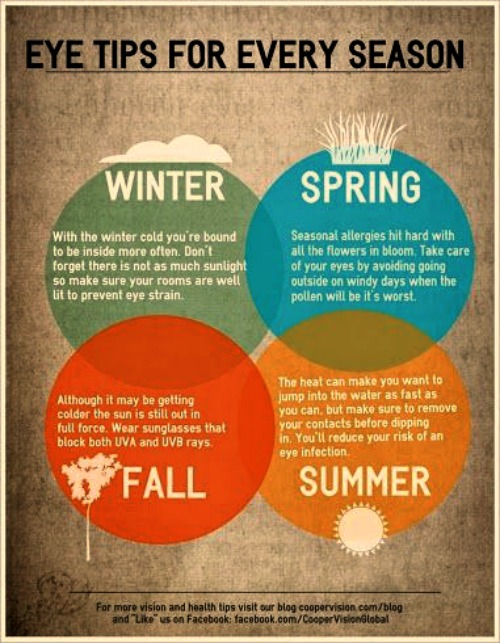
avoid the pollen that triggers them. That means staying indoors when
pollen counts are highest. A good rule of thumb is to try to stay
indoors as much as possible on hot, dry, windy days, and on any day
between 5 a.m. and 10 a.m.
When you are outdoors, follow these guidelines:
- Minimize walks in wooded areas or gardens.
- Wear
a mask while you mow the lawn or garden. Keep grass cut low—no more
than 2 inches high— to help prevent pollen from reaching high into the
wind.
- Keep hedges in your yard pruned and thin to limit collection of pollen on their branches.
- Dry your clothes and linens in a dryer instead of hanging them outdoors.
Medical Remedies
If
your symptoms are mild, some doctors recommend placing cold compresses
directly on your closed eyes for 10 to 20 minutes. If that is not
effective, visit your local pharmacy and buy an over-the-counter tear
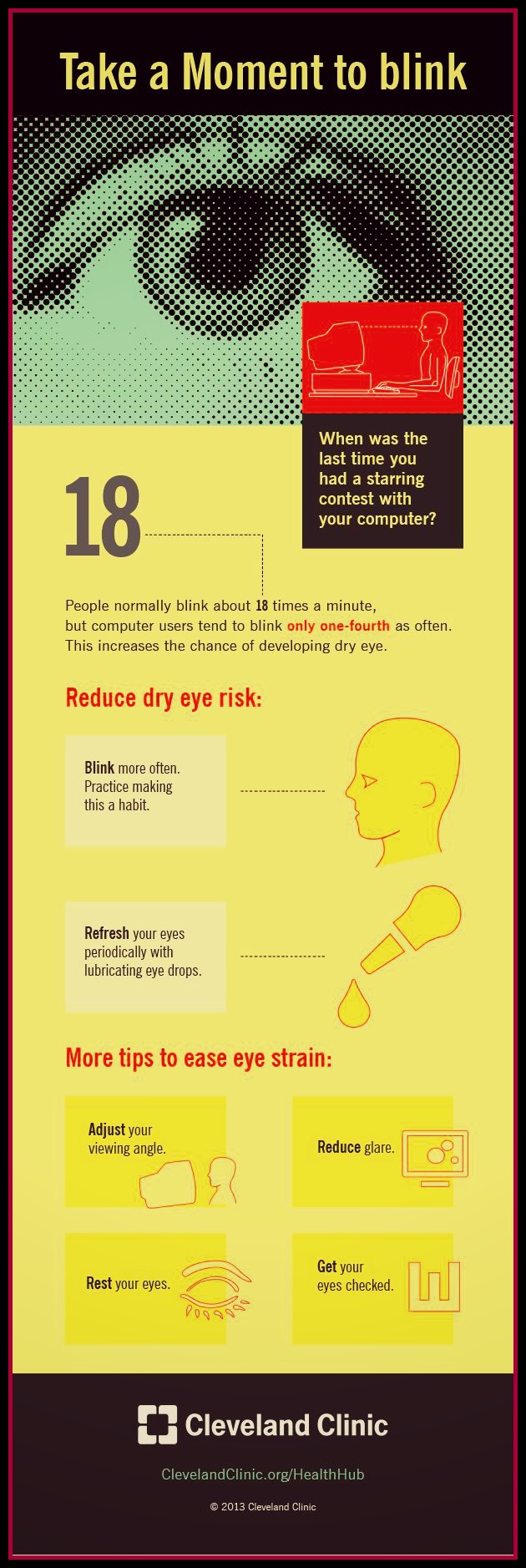
substitute, which can lubricate your eyes and help wash the pollen out.
Your vision is priceless and it is important that you
maintain your visual wellness by scheduling a yearly comprehensive eye exam with your optometrist or ophthalmologist. Drop into
20/20 Eyeglass Superstore for all your eye care needs. We have a frame for every face and a price for any budget. We also have Independent Optometrists located on site who will be
happy to examine your child’s vision. Walk-in’s are welcome but we ask that you come 1
5 minutes prior to your desired appointment time.
If over-the-counter medicine is ineffective, or if you are not sure that your symptoms are caused by an allergy,
see your eye doctor.
There are a number of very effective anti-allergy prescription eye
drops today that are commonly prescribed by optometrists and
ophthalmologists.
Read the original article published on
davisvision.com