Some
people are born with poor eyesight, while others develop poor eyesight
when they are young. Almost everyone experiences some deterioration in
their eyesight as they age. How can you stop your vision from getting
worse?
Nutrition
In today’s
health-conscious society, the prevalent theory is that proper nutrition
will slow down, and perhaps even improve, deteriorating vision. While
studies have not proved this to be 100 percent effective, it certainly
does no harm to one’s vision and definitely improves health.
Foods
important to good vision are high in fiber and in vitamins such as C,
D, and beta carotene or Vitamin A. Examples of such foods are carrots,
spinach, kale, broccoli, raw cabbage, cauliflower, grapes, blueberries,
bilberries, and cranberries. Sunflower seeds, flax seeds, and almonds
are also good sources.
Egg yolks are a good source of lutein and
zeaxanthin, both of which are thought to be beneficial in protecting
vision and slowing macular degeneration, which is the leading cause of
poor vision and blindness in elderly people
Omega-3 fatty acids
are also essential to eye health. They’re found in supplements and fatty
fish like Atlantic mackerel, herring, salmon, rainbow trout, tuna, and
sardines. Omega-3s have many health benefits ranging from lowering
cholesterol and blood sugar, to reducing the risk of macular
degeneration.
Lenses
For most people
correcting vision is as simple as seeing a qualified optometrist and
getting a prescription for contact lenses or glasses.
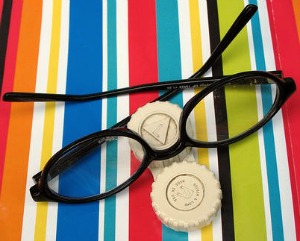
Contact
lenses have become popular for many reasons. Some people don’t like the
way they look in glasses, or find them cumbersome depending on their
lifestyle. Contact lenses are also available in many different colors
that allow the wearer to change their eye color or even the appearance
of their eyes if they choose cosmetic lenses. Contact lenses should be
fitted properly to avoid injuring the eye, and care must be taken to
avoid infection.
Eyeglasses are the most common option for
improving vision and, in some cases, stopping it from deteriorating.
Eyeglasses come in two parts, the lens, which is where the prescription
from the eye doctor comes in, and the frame, which the wearer usually
gets to choose. Lenses may be made of glass or plastic. Thickness is
determined by the strength of the prescription. Most people with very
poor vision choose plastic lenses because they are lighter than glass.
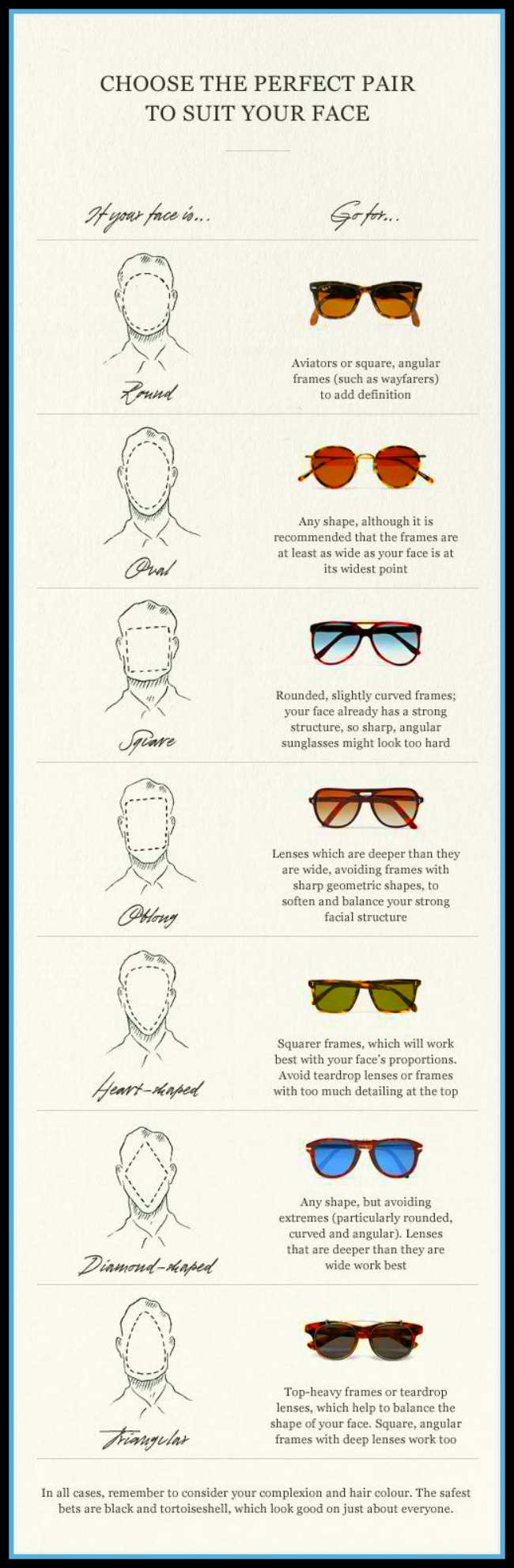
Frames also come in several different styles, colors and may be plastic
or metal, and costs vary greatly according to the options chosen.
To read the original article
click here
The most
important thing you can do to keep your eyes healthy
is to get an annual eye examination. You may need to go more often if
you have an eye disease such as Glaucoma. Many degenerative eye diseases
such as Glaucoma, Cataracts and Retinal Disorders need to be caught
early as it’s often too late once you get symptoms. If you notice
symptoms such as pain, changes in vision or flashes of light,
visit your local Optometrist right away. Early treatment from an Optometrist can prevent vision loss. Each 20/20 Eyeglass Superstore has an
Independent Optometrist. Walk-ins are welcome. All we ask is that you come 20 minutes early so we can complete all of the required paperwork.
Contact us for more information.